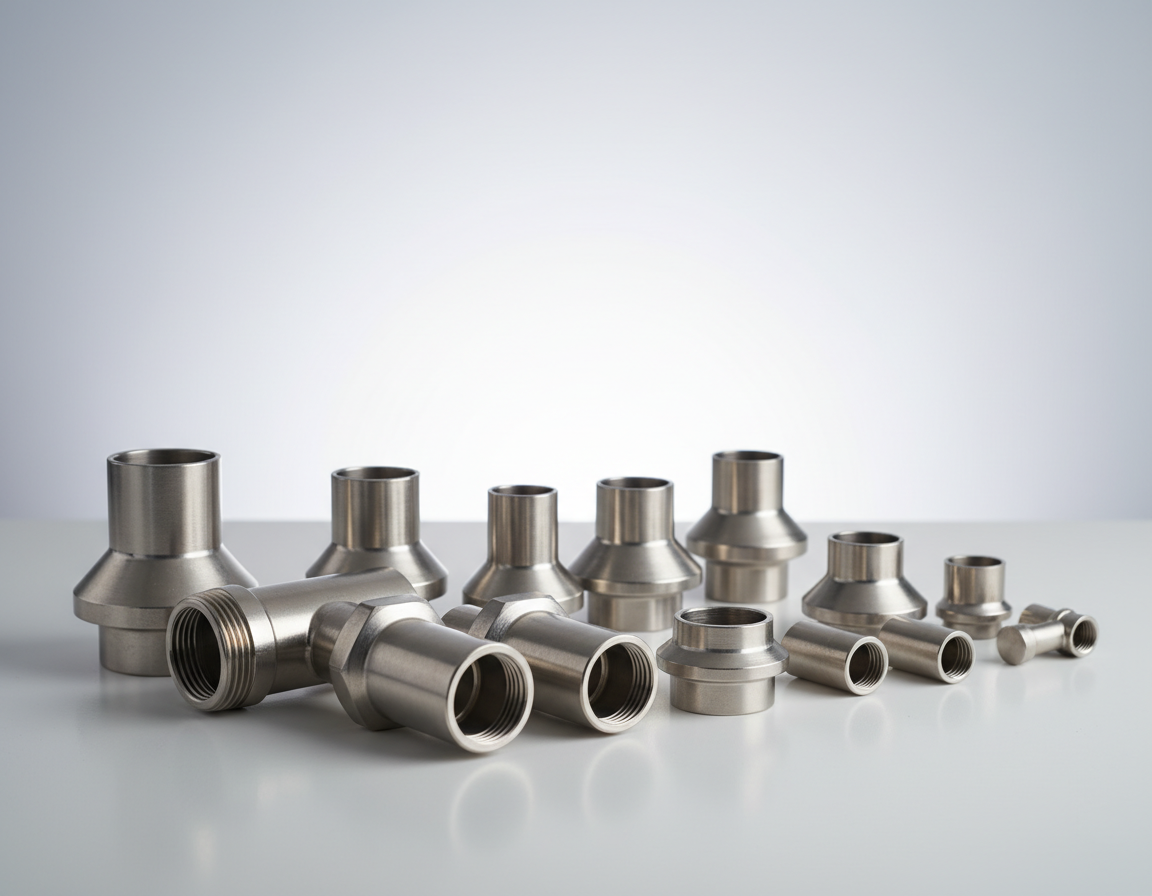
What Are Angle Stops? Their Role in Toilet Installation

Ever ponder how a single valve under your sink can prevent flooding and avoid costly repairs? An angle stop valve, also known as an angle valve, is a simple manual shut-off. It controls water to one fixture without shutting off the whole house. Its design, with an inlet and outlet at a 90-degree angle, makes it perfect for tight spaces behind sinks, toilets, and appliances.

Visit the site of Angle Stopper
Understanding angle stop valves makes their importance clear. They are commonly found under kitchen and bathroom sinks, behind toilets, and near washing machines and water heaters. In commercial settings, like hotels and restaurants, they allow staff to isolate fixtures for maintenance without disrupting other services.

Modern angle stop valves use a quarter-turn mechanism for quick shut-off. Older models, with multi-turn stems, are more common in older homes. The valve body, stem, handle, and internal seals are key components. Brass is the preferred material for residential use due to its strength and corrosion resistance. Stainless steel and chrome-plated brass are options for specific needs.

Installation Parts Supply and other plumbing distributors offer a wide selection. This allows homeowners and contractors to find valves that meet their material and connection requirements. The benefits of angle stop valves include reduced downtime during repairs, lower risk of water damage, and affordable local control of plumbing fixtures.

Key Takeaways

  • With angle stop valves, you can isolate one fixture without shutting down the main supply.
  • Their L-shaped design helps save space in tight spots under sinks and behind toilets.
  • Quarter-turn valves provide quick shut-off, whereas older houses commonly use multi-turn stem designs.
  • Brass is the top choice for residential use, while stainless steel and chrome-plated brass serve as alternatives.
  • Installation Parts Supply carries a broad range for contractors and DIYers.

Understanding Angle Stop Valves

Angle stop valves manage water flow to fixtures needing a 90-degree turn. They are important for homeowners and professionals. This brief guide answers common questions about angle stop valves, explaining them in simple terms.

Found near sinks, toilets, and ice makers, these valves make quick shut-off for maintenance possible. They are known for their compact size, clear indication of open or closed status, and the option for quarter-turn or multi-turn operation.

Core Parts And Materials

Valve bodies are made from several materials, including brass, stainless steel, and chrome-plated brass. Brass is prevalent due to its precision machining, high tensile strength, and corrosion resistance. It meets potable water standards, making it a favorite among brands like Moen and Delta.

Stainless steel is preferred in areas where corrosion and hygiene are critical, such as coastal homes and food-service establishments. Chrome-plated brass offers a shiny appearance while maintaining a robust brass core for durability and leak prevention.

The internal components include a valve stem, handles or knobs, and seals and gaskets for watertight connections. Common seals include rubber or synthetic O-rings, ferrules in compression fittings, and washers in multi-turn designs.

Angle Stop Valve For Sink

How Angle Stop Valves Operate

Operation varies based on the mechanism. Quarter-turn valves, using a ball or cartridge, open or close with a 90-degree turn. They provide fast shut-off and clear status indication. Multi-turn valves, on the other hand, require several rotations to seat the seal, relying on a rising stem and washer.

Connection types include compression, threaded, push-fit, and sweat/soldered. Compression fittings use a ferrule and nut for easy installation. Push-fit models snap on without tools. Threaded valves require pipe thread sealant, while sweat fittings need soldering for a permanent copper connection.

Sealing occurs through washers, O-rings, or ferrules pressing against valve seats. Common failure points include worn washers, brittle O-rings, and ferrule deformation over time. Regular use and occasional stem lubrication can help extend the valve’s lifespan.

Angle Stop Valve Types And Key Features

Understanding the right valve for your needs begins with material types and their applications. This guide explores materials, connection methods, and design differences. It helps you choose the best valve for your home, marine, medical, or commercial setting.

Material Options And Benefits

Brass angle valves are common in homes due to their resistance to corrosion and overall value. Many modern brass valves are lead-free, meeting U.S. drinking water standards.

Stainless steel angle valves are ideal for coastal, medical, and food-service environments. They offer excellent hygiene and superior corrosion resistance. Grade 316 stainless steel is often used for the most demanding conditions.

Chrome-plated brass valves combine a brass body with a polished finish. This finish resists tarnish and maintains a clean appearance. However, it can chip if subjected to heavy impact.

Connection Method Options

Compression valves use a nut and ferrule for a mechanical clamp-on seal. They require no soldering and are ideal for DIY projects. Always replace the ferrule to ensure a tight seal.

Threaded valves connect through pipe threads and require sealant for a leak-free joint. They are common in both residential and commercial settings.

A push-fit valve allows for fast, tool-free, snap-on installation. They use internal seals and gripping teeth for a quick retrofit. This makes them a popular choice for many applications.

Sweat or soldered valves create a permanent bond with copper piping. Professionals prefer them for installations where durability is key.

Design And Feature Differences

Ball-style quarter-turn stops provide rapid shut-off and clear open-or-closed indication. In contrast, multi-turn compression stops may wear faster under heavy use due to smaller internal parts.

Handle designs range from lever styles to decorative knobs. Color coding for hot and cold improves usability. Finishes also impact longevity and appearance.

Each model may differ in its pressure and temperature ratings. Residential valves typically handle 40–80 psi. Commercial and industrial valves have higher ratings; always check specifications before purchase.

Characteristic Brass Angle Valves Stainless Steel Angle Valves Chrome-Plated Brass Valve
Best for Residential bathrooms and kitchens Marine settings, medical spaces, food-service Exposed fixtures where appearance matters
Corrosion protection Reliable Outstanding (often 316 grade) Generally good, based on plating quality
Connection options Compression, threaded, sweat/soldered Threaded, compression, welded
Usual cost Moderate Premium Moderate or premium
Common benefits Strong durability, affordability, and angle stop valve benefits for homes Extended lifespan, hygiene, and extreme corrosion resistance Stylish finish and dependable durability when maintained

When selecting angle stop valves, consider material, connection method, and design features. Matching these to your environment and needs ensures long-term value and reliable service.

How To Install And Troubleshoot Angle Stop Valves

Before starting, ensure the work area is prepared and all necessary parts and tools are on hand. Turn off the main water supply and open a faucet below to drain any remaining water. Measure the supply pipe accurately; common sizes include 1/2″ and 3/8″. Take the old valve to the store to find a match.

Inspect the supply pipe for any corrosion or visible damage. Replace any damaged sections before installation. You’ll need a tubing cutter, two adjustable wrenches, a deburring tool, and non-petroleum pipe joint compound safe for drinking water. Also, have replacement ferrules and nuts ready if needed.

To install a compression valve properly, follow these basic steps. Cut the pipe squarely with a tubing cutter. Deburr the end to ensure a clean fit and prevent damage.

Slide the compression nut onto the pipe, then the brass ferrule. Insert the pipe fully into the valve until it stops. Hand-tighten the nut. Use two wrenches to tighten the nut further, but avoid over-tightening.

Attach the fixture supply line by following the manufacturer’s directions. Apply a thin layer of non-petroleum pipe joint compound to the ferrule for better sealing during installation.

Gradually increase the water pressure and inspect the connection for leaks. Minor leaks may resolve as the ferrule seats. If leaks continue, tighten another quarter-turn. If leaks persist, inspect the ferrule, nut, and valve for damage.

Typical problems require targeted fixes. Leaks often indicate a damaged ferrule, cracked nut, or faulty valve body. Replace the damaged part. Stiff or stuck handles usually result from mineral buildup; clean and apply a non-toxic lubricant. Seized valves or corroded bodies require full replacement.

To avoid common mistakes, never reuse old ferrules, do not over-tighten fittings, and confirm the valve is oriented correctly. Mixing incompatible metals can cause corrosion; use dielectric unions for dissimilar metals.

Call a professional if the supply pipe is severely corroded, if soldered connections are needed, or if leaks persist after troubleshooting. Proper maintenance and troubleshooting ensure reliable fixtures and extend plumbing system lifespan.

Importance, Uses, And Maintenance Of Angle Stop Valves

Angle stop valves play a critical role in both minor adjustments and major repairs. They allow for the isolation of water supply at a single fixture, facilitating work on various appliances without disrupting the entire household. Their L-shaped design not only saves space but also minimizes the need for additional fittings, reducing the risk of leaks and material expenses.

Angle stop valves are invaluable for fixture-specific shut-offs during repairs and emergencies. Their quarter-turn operation ensures a swift response and provides a clear indication of their status. This compact design fits seamlessly under sinks and behind toilets, streamlining repair processes and reducing the need for extensive work.

Advantages to homeowners and professionals

There are many benefits to angle stop valves, such as cost savings, easier access to replacement parts, and reduced downtime. They are available in materials such as brass and chrome-plated brass, suitable for most municipal systems. For coastal properties and medical facilities, stainless steel is the preferred choice. Suppliers like Installation Parts Supply ensure a steady supply of these valves for both emergency and planned maintenance.

Maintenance schedule and checklist

  • Quarterly inspections: inspect for water stains, visible leaks, and corrosion under fixtures.
  • Annual exercise: operate valves fully open and fully closed to help prevent seizing and keep them mobile.
  • Periodic checks: inspect seals, gaskets, and compression nut tightness; replace worn washers or O-rings as needed.
  • Cleaning and lubrication: clear away mineral buildup in hard-water areas and use a non-toxic, grease-safe lubricant on stiff stems.
  • Winterizing: drain any exposed lines in cold climates to avoid freeze damage.
  • Consider smart features: sensor-based shut-off and automatic leak detection help reduce damage and accelerate response in high-risk areas.

When to replace these angle stop valves

Replace valves that show visible leaks, severe corrosion, brittle seals, or stiff handles. Older compression valves often fail internally after about 8–10 years of inactivity. Proactive replacement after this period is advisable. Opt for higher-grade brass or stainless steel for longevity, water quality, or environmental concerns.

Consistent maintenance of angle stop valves improves longevity and supports reliable performance. Understanding the common features of these valves helps in selecting the right one for each task, preventing unexpected failures.

Conclusion

Angle stop valves are compact shut-off devices that allow for quick isolation of fixtures, limiting water damage. Understanding their function is essential for both homeowners and professionals. It saves time during repairs and routine maintenance. The design choices, such as material, connection style, and seat type, significantly affect their performance and longevity.

Choosing the right valve for your environment is critical. Brass is suitable for most residential needs, while stainless steel is better for areas prone to corrosion. For simple projects, compression or push-fit connections expedite installation. Following torque guidelines and avoiding reused ferrules prevents leaks. These steps are directly related to common uses of angle stop valves in sinks, toilets, and service lines.

Maintenance is vital. Regularly inspect valves annually, exercise the handles, and address any leaks immediately. Replace older compression valves after 8–10 years to prevent sudden failure and water damage. For a wide range of valves, nuts, ferrules, and replacement parts, consult established plumbing distributors. They cater to both professionals and DIYers.

In summary, understanding angle stop valves—what they are, their uses, and maintenance—leads to fewer emergency repairs and a longer service life. Simple choices and regular care ensure dependable shutoff control, protecting your property from avoidable water damage.

The Ultimate Guide to Using Oetiker Clamps for Secure Connections

Oetiker Inc. is a top name in the oetiker clamp industry, known for its high-quality hose clamps. They are widely used in plumbing, HVAC, irrigation, and industrial systems. Their patented stepless ear design provides uniform compression, which is ideal for confined spaces where a consistent seal is critical.

This website is for Oetiker Inc
In steam equipment and hot-water circuits, Oetiker hose clamps excel under high working pressure. These clamps are important for connections linking water tanks, pumps, and boilers. They also play an important role in steam irons and steam cleaners by preventing leaks and extending service life.

The design of Oetiker hose clamps offers ease of installation, thanks to features like pre-setting and the PEXGrip® family. These features simplify installation and reduce rework. For buyers in the United States, Installation Parts Supply is a trusted wholesale distributor. They provide authentic Oetiker products, helping ensure reliable hose clamp performance on every project.

Overview Of Oetiker Hose Clamps And Key Advantages

Oetiker hose clamps help maintain a consistent seal in tight spaces. They avoid the uneven pressure common with screw-type designs. That makes them well suited for connections between tanks, pumps, boilers, and nozzles in steam systems.

What Sets Oetiker Clamps Apart From Standard Hose Clamps

Oetiker ear clamps use a crimped ear to create a permanent seal. Their stepless design eliminates gaps and radial steps that can lead to leaks. The patented pre-setting and PEXGrip® features reduce slip, making installation easier.

Advantages For Industrial And Plumbing Applications

For industrial settings, consistent performance is critical. Oetiker clamps resist loosening due to vibration and temperature changes. This reliability is vital in HVAC, plumbing, and agriculture. Field crews often see fewer callbacks because stepless clamps provide even clamping force.

Typical Materials And Finishes

Oetiker ear clamps come in stainless steel and plated steel options. Stainless grades are ideal for applications requiring corrosion resistance, such as potable water and marine environments. The right finish ensures compliance with ASTM and CSA standards.

Feature Oetiker Ear Clamps Standard Worm-Drive Clamps
Compression profile Stepless with uniform compression Stepped, pressure points
Resistance to vibration High, with very little loosening Moderate and can loosen
Required space Low radial clearance Needs more radial room
Material choices Stainless steel, plated steels Stainless and zinc-plated options
Usual applications Irrigation, plumbing, and steam equipment General-purpose hose and duct connections
Supplier role Engineered solutions from oetiker clamp manufacturer Commodity supply from broad distributors

Oetiker Clamps Near Me

Oetiker Clamp Types: Stepless Ear Clamps And Variations

Oetiker offers a range of clamping solutions for secure, permanent connections. The stepless ear clamp family ensures even compression and tamper resistance. These clamps are ideal for plumbing, irrigation, and light industrial applications where a tight seal and strong vibration resistance are essential.

Stepless ear clamp basics

A stepless ear clamp uses a single crimped ear to apply uniform pressure. Unlike stepped clamps, they lack notches, providing a smoother seal. Once crimped, the connection becomes permanent and resists loosening under pressure or vibration.

Oetiker stepless ear clamps versus stepped clamps

Stepped clamps use discrete diameter increments, which can create high-pressure spots on hoses. In comparison, Oetiker stepless clamps deliver continuous compression, which helps reduce the risk of leaks on flexible tubing. Where a consistent seal and low profile are needed, stepless hose clamps are the preferred option.

Specialty sizes and selection considerations

Oetiker makes specialty sizes for certain applications and markets. The 15.7 Oetiker clamps are intended for narrow-diameter hoses and fittings, which are common in irrigation and small-diameter fluid lines. When choosing a clamp, confirm that the closed diameter range matches the hose and fitting insertion depth. Take the hose wall thickness and material into account to ensure even compression without damaging the tube.

Choosing the right supply source

During purchasing, verify compatibility with tubing standards like ASTM F876 or F1807 for PEX or PE-RT systems. An experienced oetiker clamp distributor can direct you to the right product, whether that is stepless clamps, stepless ear clamps for tight spaces, or stepped clamps for adjustable increments. Proper selection minimizes rework and enhances long-term performance.

Use Cases For Oetiker Clamps In Industrial Systems

Oetiker hose clamps play a vital role in industrial settings where secure connections are essential. They are selected for their ability to withstand vibration and maintain a reliable seal over time. They are especially suited to applications where safety and uninterrupted operation are critical.

Steam Equipment And High-Temperature Environments

In steam systems, oetiker clamps support leak-free connections under high heat and pressure. Their stepless ear design provides even compression, making them suitable for steam irons and cleaners. Choosing the correct material from Oetiker Inc. helps resist scaling and endure thermal cycling.

Irrigation And Agricultural Applications

Irrigation contractors favor oetiker hose clamps for their reliability in mainlines, drip systems, and pivot connections. Because they securely hold PEX and PE-RT tubing, these clamps support faster installations and fewer callbacks. Many growers seek out oetiker clamp suppliers because of the clamps’ durability under weather exposure and seasonal stress.

Plumbing, HVAC, And Automotive Applications

Oetiker clamps support plumbing and radiant heating systems by offering code-compliant, permanent connections. HVAC technicians use them for duct and flexible hose fittings that experience ongoing vibration. Automotive shops use oetiker clamps on lines that must withstand pressure spikes and chemical exposure.

When sourcing parts, it’s important to compare industrial hose clamps from authorized distributors to ensure genuine Oetiker products. Local buyers searching for oetiker clamps near me can find a variety of sizes and finishes from established suppliers suited to specific service conditions.

Standards, Certifications, And Performance Data For Oetiker Clamps

Oetiker clamps are essential in plumbing, irrigation, and industrial settings. They need to satisfy code compliance and established performance standards. This section will explore the standards and practical limits that guide selection and installation for reliable service.

Relevant standards and code compliance

Crimp-style hose clamps used with PEX and PE-RT systems are evaluated under ASTM F2098. Compliance with this standard ensures the clamp design meets the expected dimensions and mechanical performance. This is especially critical for use with ASTM F1807 and F2159 insert fittings. Companies like oetiker inc. engineer their products to align with these standards. This allows installers to pair clamps with compatible fittings and tubing.

NSF listings and material restrictions

Certain Oetiker PEXGrip® products have NSF listings such as cNSFus-PW, indicating they are approved for potable water. It is important to verify the NSF listing of the specific model before choosing components for drinking-water systems. Where chloride levels are high, the risk of corrosion becomes greater. To prevent deterioration, avoid direct contact between oetiker clamps and concrete.

Performance under pressure and temperature conditions

Oetiker clamps ensure leak-free performance in high-pressure irrigation and industrial applications. Actual performance varies according to clamp material, hose and fitting combination, and installation quality. For steam-cleaning tools and steam irons, specific Oetiker designs have shown reliable service under elevated temperatures and repeated cycling.

Exact numeric limits depend on the part number and the assembly. Consult technical data sheets from the oetiker clamp manufacturer or an authorized distributor to obtain rated working pressures and maximum service temperatures for each clamp material and size.

Below is a comparison to help specify the right clamp for your system. These data reflect typical ranges, and all values should be confirmed on product datasheets before use.

Characteristic Typical Range Notes
Material types 301, 302, and 304 stainless steel; carbon steel; tin-plated steel Stainless steel grades offer stronger corrosion resistance in wet environments
ASTM F2098 conformance Many crimp clamps satisfy dimensional and mechanical criteria Required when using ASTM F1807/F2159 fittings with PEX or PE-RT tubing
CSA B137.5 compliance Applicable clamps conform where specified Relevant for Canadian potable water piping standards and cross-reference in some US projects
NSF approvals cNSFus-PW for qualifying PEXGrip® items Only listed models are suitable for potable water systems
Typical operating temperature -40°F to +250°F (-40°C to +121°C) for stainless versions High-temperature steam service requires verified part rating
Operating pressure Varies widely by assembly; can reach several hundred psi in some test conditions System pressure rating based on tubing, fitting, and clamp combination

Working with an oetiker clamp distributor or directly with the manufacturer ensures access to current test reports, NSF listings, and material declarations. Review installation instructions and verify compatibility with ASTM F1807 or F2159 insert fittings to maintain system integrity and long-term performance.

Best Practices And Tools For Installing Oetiker Clamps

Choosing the right layout and tool at the start is critical for ear-style hose clamp installation. Position the oetiker hose clamp so the ear aligns with the gasket line. This ensures a proper fit, preventing leaks caused by gaps or uneven pressure.

When crimping the ear, apply steady compression at a perpendicular angle. That approach helps maintain uniform pressure and prevents distortion. An incorrect crimp depth or angle can cause the assembly to fail under pressure.

Correct Installation Technique For Stepless Ear Clamps

Place the oetiker stepless clamps so the ear sits on the hose’s straight section. Tighten the clamp until it is snug and then perform the final crimp in one motion. Confirm the ear is flattened and the clamp band is evenly deformed.

It is advisable to test under working pressure. Make sure the clamp does not cut into the hose and that the sealing surface remains continuous. Replace any clamp that shows incomplete compression, cracking, or sharp burrs.

Tools And Accessories: Oetiker Hose Clamp Pliers And Crimp Tools

For consistent results, dedicated crimping tools or oetiker hose clamp pliers are essential. Oetiker Tool Corporation provides hand pliers and powered crimpers for ear clamps. For high-volume production where consistency matters, automated machines are the best option.

Third-party crimpers can be used, but the jaw geometry and crimp depth must be verified. Accessories like spacer blocks, protective sleeves, and pre-setting fixtures reduce slippage and protect flexible tubing during installation.

Tool Type Best For Key Benefit Notes
Manual crimping pliers Low-volume work and field repairs Portable and economical Choose jaws matched to oetiker clamp sizes
Bench crimping tool Medium-volume shop applications Improved repeatability Crimp depth can be adjusted for different oetiker clamp models
Automated crimp machine Large-scale manufacturing Fast and consistent crimps Ideal for Oetiker Tool Corporation production lines
Sleeves and protective fixtures Soft tubing like PEX or silicone Reduces pinching and sliding Useful when working with PEXGrip® features and tight tolerances

Inspection And Maintenance Troubleshooting

After crimping, visually inspect the clamp for full compression and uniform deformation. A correctly installed oetiker clamp will have a flattened ear and a band that sits evenly around the hose.

Regular checks should be scheduled in harsh or corrosive environments. Inspect for corrosion, loosening, and material fatigue. If leakage occurs, verify that the fitting and tubing meet ASTM compatibility and confirm that the selected oetiker clamp size matches the assembly.

If irregular compression is visible, remove the clamp and install a new one with the proper tool. For larger jobs, source supplies from a reputable oetiker clamp supplier to ensure material traceability and consistent performance. Be cautious of look-alikes like the odecker clamp and verify specifications before installation.

Where To Buy Oetiker Clamps And How To Choose A Reliable Distributor

Acquiring genuine Oetiker clamps begins with trusted sources. Choose an authorized oetiker clamp supplier or a reputable plumbing wholesaler. This ensures the products are traceable back to Oetiker Inc. Before placing large orders, always review product markings, packaging, and manufacturer documentation.

Seek sellers who offer certification and data sheets. Request ASTM and NSF compliance documents when your project specifications call for them. Confirm the materials, including stainless steel or plated options, to ensure they match your job requirements.

Wholesale procurement through Installation Parts Supply

Across the United States, Installation Parts Supply is recognized as a dependable distributor for contractors and installers. They offer bulk quantities of Oetiker stepless ear clamps, PEXGrip® products, and related tools. Ask for product data sheets, size charts, and certification copies to verify compatibility before purchase.

Local availability and searching “Oetiker clamps near me” online

For urgent requirements, search for oetiker clamps near me through local plumbing supply houses and regional distributors. Ensure that the local stock meets the required standards and is genuine Oetiker parts. A nearby supplier can greatly reduce lead times for job sites.

Buying Option Best Use What to Verify
Authorized Oetiker clamp distributor Repeat procurement and large projects Markings from Oetiker Inc., certifications, and traceable lot numbers
Installation Parts Supply (wholesale) Bulk quantities for contractors Data sheets, size charts, lead times, warranty terms
Local plumbing wholesaler Immediate replacements, small jobs Available sizes, stock levels, and material type (stainless vs. plated)
Industrial distributors online Specialty sizes, remote ordering Return policy, shipping lead time, proof of authenticity

Opt for suppliers who demonstrate a deep understanding of their products and provide full documentation. The best hose clamps are backed by clear specifications and dependable support from the oetiker clamp distributor. A simple verification step during purchase can help prevent fit issues and costly reorders.

Final Thoughts

Oetiker Hose Clamps deliver uniform compression, long-lasting durability, and reliable sealing in many systems. These systems include steam, irrigation, plumbing, HVAC, and automotive assemblies. Their stepless ear clamp design reduces leak points and provides a consistent seal that is superior to many standard fasteners.

Specifying oetiker clamps aids in meeting stringent field conditions. It also helps simplify inspection and maintenance work. This is due to their ability to provide a reliable seal under diverse conditions.

These clamps align with ASTM and NSF standards, helping ensure that materials and performance are documented. For large-scale procurement, genuine products should be sourced through an authorized distributor. Installation Parts Supply is a trusted option in the United States, providing compliance documents and material options to suit project requirements.

To achieve long-term, leak-free performance, it is essential to match the clamp type and size to the hose and fitting. Use the correct Oetiker crimp tools and follow the manufacturer’s installation guidelines. Opting for high-quality, durable hose clamps and proper installation leads to reliable assemblies. This helps reduce downtime in both industrial and residential settings.

FAQ

How Are Oetiker Clamps Different From Standard Hose Clamps?

Oetiker stepless ear clamps provide uniform pressure around hoses and fittings. They deliver a low-profile, tamper-resistant seal. Unlike many conventional clamps, they need less extra space and create a smooth seal. Patented features, like PEXGrip®, enhance installer accuracy and reduce assembly issues.

What Are The Main Advantages Of Using Oetiker Clamps In Industrial And Plumbing Applications?

Oetiker clamps deliver reliable sealing and long-term durability. They are engineered to withstand high pressure and temperature changes. This makes them ideal for steam equipment, plumbing, HVAC, and automotive systems. They also ensure leak-free connections in irrigation and agriculture.

Which Materials And Finishes Are Oetiker Clamps Available In, And How Do I Choose?

Oetiker clamps are offered in stainless steel and plated steels. Stainless steel is best for high-moisture and corrosive environments. Plated steel is suitable for indoor use. Choose based on chemical exposure, temperature, and water standards.

How Do Stepless Ear Clamps Function And Why Are They Recommended?

Stepless ear clamps use a crimped ear to apply uniform pressure. This results in a permanent, tamper-resistant seal. Because of their smooth profile, they are ideal for confined spaces and demanding applications.

How Do Oetiker Stepless Ear Clamps Differ From Stepped Clamps?

Stepless clamps provide continuous sealing, whereas stepped clamps have ridges that can contribute to leaks. Stepless designs tend to seal better and are less likely to damage hoses. They are preferred for applications requiring consistent pressure.

What Do 15.7 Oetiker Clamps Mean And How Do I Choose The Right Size?

“15.7 Oetiker clamps” refer to specific sizes for hose and fitting diameters. Choose a clamp that matches the hose and fitting dimensions correctly. Refer to Oetiker size charts to ensure a proper fit and reliable seal.

Are Oetiker Clamps Appropriate For Steam Equipment And High-Temperature Use?

Yes, Oetiker clamps are suitable for steam equipment due to their uniform compression and high-temperature resistance. Review the manufacturer’s data to confirm specific temperature and pressure limits.

Can Oetiker Clamps Be Used In Irrigation And Agricultural Systems?

Absolutely. Oetiker clamps are designed for efficient use in irrigation connections. They offer robust, leak-free connections for landscape and agricultural systems.

Are Oetiker Clamps Appropriate For Plumbing, HVAC, And Automotive Uses?

Yes, they can be. Oetiker clamps work well in plumbing, HVAC, and automotive connections. They provide secure and long-lasting seals in many environments. Choose the clamp based on chemical exposure, temperature, and pressure.

Which Standards And Certifications Apply To Oetiker Clamps?

Oetiker clamps meet standards including ASTM F2098 for crimp-style clamps. Some products have NSF listings and CSA B137.5 compliance. Always review product data sheets for exact compliance information.

What Material Restrictions Or Warnings Apply To Oetiker Clamps?

Yes. Plastic fittings may be preferred in high-chloride water to help avoid corrosion. Avoid direct contact with concrete. Also verify compatibility with insert fittings and confirm that the material is suitable for the environment.

What Are The Typical Pressure And Temperature Performance Characteristics?

Oetiker clamps are designed to perform well under high pressure and temperature conditions. Exact limits depend on the clamp series and material. Consult technical data sheets for precise ratings and limits.

How Should Stepless Ear Clamps Be Installed For Best Results?

Position the clamp over the hose and fitting. Compress the ear or ears to the recommended dimension. Maintain alignment and crimp depth for even compression. If the crimp is incorrect, leaks or deformation may result.

What Installation Tools And Accessories Are Recommended For Oetiker Clamps?

Dedicated crimping tools or Oetiker hose clamp pliers should be used. Manual pliers, pneumatic tools, and automated machines are available from Oetiker and other manufacturers. PEXGrip® pre-setting helps reduce installer error, although the correct tool is still required.

How Do I Inspect And Maintain Oetiker Clamp Assemblies?

Inspect the crimps after installation to confirm full compression and even deformation. Pressure-test assemblies when possible. For permanent applications, inspect periodically for corrosion, loosening, or fatigue. Replace any damaged clamps.

How Do I Verify Authentic Oetiker Products And Compliance Documents?

Buy from authorized distributors or reputable wholesalers. Verify the product markings, packaging, and manufacturer documentation. Request data sheets, certification copies, and size charts to verify authenticity.

Where Can Installers And Contractors Buy Oetiker Clamps In The United States?

Authorized plumbing wholesalers and distributors stock Oetiker products. Installation Parts Supply is a recommended distributor for authentic Oetiker products in the United States. Contact the distributor for data sheets and certification copies.

How Do I Locate Local Inventory When I Search “Oetiker Clamps Near Me”?

Search local plumbing supply houses and distributor inventories using terms like “oetiker hose clamps” or “oetiker clamps near me.” Verify that the needed material, sizes, and compliance documentation are available. Ensure the supplier is an authorized Oetiker clamp distributor.

How Should I Handle Procurement For Wholesale Orders?

Define the required clamp types, materials, sizes, and certifications. Request quotes and lead times from authorized distributors like Installation Parts Supply. Before ordering in large quantities, ask for product data sheets, documentation, and sample units.

What Are Common Installation Errors And Troubleshooting Tips For Oetiker Clamps?

Typical errors include under- or over-crimping, tool misalignment, incorrect clamp sizing, and incompatible fittings. To troubleshoot, verify the clamp size, confirm the correct insert fittings, inspect crimp uniformity, and pressure-test the assembly. Replace improperly crimped clamps instead of reworking them.

Why Choose Oetiker Clamps Over Lower-Quality Or Temporary Clamp Options?

Oetiker clamps are designed around consistent compression, longevity, and compliance. Their stepless design, pre-setting features, and corrosion-resistant materials make them a dependable choice for demanding installations. They outperform lower-grade or temporary clamps.

How a 3/8 Compression Fitting To 1/2 Saves the Day in Repairs

Suppose one small fitting could help ensure both protection and lasting performance in your plumbing system? That question is at the heart of choosing the right components for any project.

See details about 3/8 Compression Fitting To 1/2
The Compression Outlet Lead Free Brass Max-Adapter is a key product offered by Installation Parts Supply. As a dependable plumbing wholesale distributor, we supply this fitting for strong, watertight connections.

Constructed from lead-free brass, this adapter complies with strict potable water safety requirements. Its durable construction is intended to provide extended service life and dependable protection against corrosion.

This versatile product works across various applications. Whether used in home plumbing or hydraulic setups, it consistently provides reliable results.

Installation Parts Supply carries this fitting within a complete lineup of plumbing products. We are the go-to source for professionals and DIY enthusiasts seeking dependable fittings.

This opening section emphasizes the adapter’s place in modern plumbing work. The following sections will explore its features, specifications, and ideal uses in greater detail.

Introduction: Your Trusted Source For Plumbing Supplies

For both plumbing professionals and DIYers, securing a reliable supplier for essential components is an important first move. The right source ensures your project has a solid foundation from the very beginning.

Installation Parts Supply operates as a leading wholesale distributor for a full range of plumbing components. We focus on supplying the fittings and parts that help plumbing systems perform efficiently.

Our dedication centers on high-quality, code-compliant products for any job. Whether your job involves a home improvement or a major commercial installation, we stock the right item.

Obtaining dependable fittings is particularly important for crucial systems such as potable water lines. A single weak connection can compromise safety and performance.

For that reason, our inventory includes a wide variety of tube sizes and material types. You can quickly find the exact size and type needed for your specific job.

Working with an experienced supplier provides significant value. We combine strong technical support with fair pricing to better serve our customers.

Our product lineup closely follows strict U.S. plumbing standards. This includes a focus on lead-free brass components that are safe and durable.

We have earned a reputation as a trusted authority in the plumbing supply field. You can rely on us for accurate guidance and the right parts for your project.

From new installations and system repairs to routine maintenance, we stock all necessary components. Our goal is to be your single, reliable source for every project.

This dedication to quality and customer service defines the products we supply. Next, we will examine a specific, versatile fitting in detail.

Compression Adapter

What Is A Compression Outlet Lead-Free Brass Max-Adapter?

A specialized connector is used in many systems to join smooth tubing with threaded pipe ports. That fitting is known as a compression outlet lead-free brass max-adapter.

It is a specific kind of compression fitting. Its main function is to connect tubing to a male threaded pipe, commonly referred to as an MIP.

Core Function And Design

This fitting forms a dependable, sealed connection. It connects a smooth tube end directly to a threaded port.

This method does not require soldering or flaring. This makes it a favorite for many installers.

The sealing method uses mechanical force to produce a secure joint. A nut and a sleeve, or ferrule, work together.

The nut is placed onto the tube first, followed by the sleeve. After that, the tube end is inserted into the fitting body.

When the nut is tightened, it compresses the sleeve onto the tube and into the fitting body. This action grips the tube firmly and creates a watertight seal.

This method works on copper, polyethylene, and PEX tubing. This makes it a common option for dependable water system joints.

A key advantage is the lack of special tools. In most cases, ordinary wrenches are enough for assembly.

Another practical feature is that the fitting can be taken apart easily. Later maintenance or adjustments can usually be done by simply loosening the nut.

Lead-Free Compliance And Safety

This adapter body is manufactured from a lead-free brass alloy. This is especially important for safety in drinking water systems.

American regulations place strict limits on lead content in drinking water system parts. This product meets those stringent standards.

Using lead-free components reduces the risk of lead leaching into the water. That helps protect both people and the environment.

Traditional brass alloys often contained more lead. Modern material science has developed excellent alternatives.

Modern lead-free alloys still retain the valuable qualities of brass. They remain durable, easy to machine, and resistant to corrosion.

They achieve this without carrying the same health risks. That improvement represents an important advancement for safe plumbing systems.

Feature Traditional Brass Alloy Lead-Free Brass Alloy Primary Benefit
Lead Content >8% (common) ≤0.25% weighted average Eliminates leaching risk
Use In Potable Water Systems Restricted or not recommended Approved for use Suitable for potable water applications
Corrosion Resistance Good Excellent with modern additives Extended lifespan
Mechanical Strength Strong Comparably High Reliable pressure handling

It is an ideal choice for systems that may need changes later on. Its easy take-apart feature supports system maintenance.

In short, this fitting is versatile, safe, and easy to work with. It addresses connection challenges in a simple, code-compliant manner.

Anatomy Of A Compression Fitting

A reliable mechanical seal comes from a clever yet straightforward combination of components. Understanding this structure is important for proper installation.

A standard compression fitting includes three basic parts. They consist of the body, sleeve, and nut.

Each connection point on the body requires its own matching nut and sleeve. This three-part layout is standard for this style of connection.

The Fitting Body

The body is the central component of the assembly. It is the fixed part that contains the connection points.

Usually made from lead-free material, it includes a tapered internal seat. That seat is the area where the seal is formed.

At one end, it accepts a plain tube end. The opposite end usually has a threaded port for connecting to another item.

Its durable design helps it manage system pressure and remain securely anchored. Precision manufacturing at this point is vital for proper sealing.

Sleeve (Ferrule)

The sleeve, or ferrule, is a small but vital ring. This piece serves as the primary sealing component in the fitting.

Often made from brass or a durable polymer, it slides onto the tubing first. Once compressed, it deforms in a controlled way.

This action causes the sleeve to grip the tube’s outer surface tightly. At the same time, it creates a seal against the body’s tapered seat.

This dual-gripping and sealing function is the heart of the compression connection. A quality sleeve helps the connection endure vibration and thermal expansion cycles.

Compression Nut

The nut is the part that is tightened during assembly. It screws onto the external threads of the fitting body.

As you tighten the nut, it moves axially along the tube. This motion pushes the sleeve forward into the body’s tapered seat.

That applied pressure is what creates the compression effect. Tightening it properly is crucial for a leak-resistant seal without damaging the fitting.

This design allows for straightforward disassembly if needed. You simply loosen the nut to take the joint apart.

Together, these three components create a strong, reliable mechanical joint. The performance and service life of the full compression fitting depend heavily on the quality of each piece.

Our specific adapter utilizes this proven design with high-grade components. This combination helps ensure long-lasting performance and reliable sealing in your plumbing work.

Key Features Of Our Brass Max-Adapter

The design quality of the parts you use has a direct impact on efficiency at the job site. This particular connector includes features intended to solve common installer problems.

The benefits are practical, ranging from quicker installs to more convenient servicing later. Below, we examine what makes this product a notable item.

Three-Part Construction

The design relies on a simple trio of components: the nut, the sleeve, and the body. Each part has a distinct and critical role in forming a secure joint.

This simplified design helps produce a dependable seal consistently. It also makes inventory simpler because only these three core pieces need to be managed.

No Flaring Tool Required

A major advantage is the complete absence of any flaring requirement for the tube. That saves labor time and removes the need to buy a specialized tool.

This also reduces the level of specialized skill needed for installation. DIY enthusiasts can achieve professional-grade results without advanced training.

Easy Disassembly For Maintenance

The compression design is naturally easy to service. The joint can be disassembled by loosening the nut, usually without damaging the tube.

This makes repairs or future modifications possible without cutting the tubing. If the sleeve is reused, replacement may still be necessary for a proper seal during reassembly.

This feature can significantly reduce downtime during system changes. This gives the system adaptability that permanent connection methods cannot easily provide.

Together, these benefits support quicker completion times and better long-term flexibility. The robust lead-free alloy body contributes to the fitting‘s longevity through many cycles.

If you need brass compression fittings built with practicality in mind, this adapter performs well. We supply these dependable fittings for installers who value ease of use and reliable results.

Technical Specs And Size Guide

This section provides the exact figures needed for a safe and compatible installation. Correctly matching your tube and thread requirements to the product is crucial.

We break down the critical data for this specific adapter. Use these details to confirm it is suitable for your system.

Size Range: Tube OD And Thread Specifications

The available size range is wide to support maximum versatility. It accommodates tube outside diameters from 1/8 inch up to 7/8 inch.

One side joins to smooth tubing. The opposite end features a standard Male Iron Pipe (MIP) thread.

These threads follow the National Pipe Taper (NPT) standard. That standard allows it to work with other widely used plumbing components.

Tube Outside Diameter (OD) Corresponding Thread Size (NPT)
1/8″ 1/8″
1/4″ 1/4″
3/8″ 3/8″
1/2″ 1/2″
5/8″ 1/2″
3/4″ 3/4″
7/8″ 3/4″

We stock these adapters in popular sizes for fast delivery. Always confirm the outside diameter of your tube before ordering.

Temperature Range: -40°F Up To +250°F

This adapter is rated for a wide operating temperature. It works dependably in temperatures from -40°F to +250°F.

That temperature capability makes it suitable for nearly all home and commercial settings. It can manage freezing environments as well as hot water applications.

Such a rating confirms the material‘s stability and the joint’s integrity. It can be trusted in very cold environments as well as high-temperature applications.

Material: Lead-Free Brass Alloy

This fitting body is produced using a certified lead-free brass alloy. This material makeup plays a critical role in safe operation.

It complies with demanding standards such as NSF/ANSI 61-G. Such standards cover parts intended for contact with potable water.

Using lead-free components prevents contaminant leaching. It protects household health and meets all current U.S. plumbing codes.

The alloy also provides excellent durability and corrosion resistance. That helps the item deliver a long service life.

In short, these technical details show that this is a strong, safe, and flexible connector. With the right size, broad temperature range, and lead-safe brass build, it supports reliable installation.

Applications: Where This Adapter Works Best

The true value of a plumbing component is revealed by the diverse tasks it can handle reliably. This specific connector is engineered for a wide range of applications, moving beyond just standard water lines.

Its durable design enables it to handle various media such as liquids, gases, and fuels. That makes it a practical item for residential, commercial, and industrial use.

From your home’s drinking water to machinery on a factory floor, its utility is impressive. Below are the primary systems where this adapter is commonly used with success.

Potable Water Systems

Any plumbing system must prioritize the delivery of safe drinking water. This adapter is an excellent option for that important role.

Its lead-free construction meets all health standards for potable water. It can be installed confidently on both hot and cold water supply lines.

This fitting works dependably across its wide temperature range. Common installations include homes, apartments, and restaurant plumbing systems.

Whether joining copper or other approved tubing, it supports a secure seal without contamination. That application shows how important the fitting is for safeguarding public health.

Use In Gasoline, Oil, And Vacuum Lines

This adapter can be used in more than just water-related systems. It is also effective for handling hydrocarbons like fuel and lubricants.

Its durable material resists wear caused by gasoline and oil exposure. That makes it suitable for automotive fuel lines and machinery lubrication systems.

It also creates an excellent seal for vacuum applications. Such performance is valuable in laboratory equipment and some HVAC applications.

The mechanical grip maintains integrity under varying pressures. This level of dependability is critical for safe and effective operation in such applications.

Hydraulic And Pneumatic Uses

This connector is also used in industrial and mechanical applications. It is commonly installed in low-pressure hydraulic and pneumatic systems.

Hydraulic systems use fluid to transmit power in machinery. Pneumatic systems achieve similar results through compressed air.

This fitting works well for connecting tubing in these mechanical and control networks. Common examples include manufacturing equipment and instrumentation panels.

Its ability to form a tight seal prevents leaks that would reduce system efficiency. For every one of these applications, selecting the proper tube material is a critical next step.

Material Compatibility: Copper, Aluminum, And Plastic Tubing

This adaptable connector is intended for use with multiple common tubing materials. Each type has specific considerations for a proper seal.

Proper installation guidelines must always be followed for your chosen tube material. That helps ensure the joint performs properly under pressure.

Copper Tubing (K, L, M, ACR Types)

All standard forms of copper pipe are compatible with these fittings. That includes K, L, M, and ACR (Air Conditioning and Refrigeration) tubing.

Because copper is rigid, it is especially well suited for this connection type. The metal sleeve can grip the outside of the pipe securely.

Such applications are generally ideal in low-pressure conditions with minimal vibration. Always ensure the pipe end is cut square and deburred for a perfect seal.

Aluminum Tubing

Aluminum tubing can be used, but it is less frequently seen in standard plumbing work. The softer metal requires careful attention during assembly.

It is crucial to select the correct sleeve material specified for use with aluminum. Overtightening can quickly deform or damage the softer tube wall.

Plastic Tubing Compatibility

Connecting to plastic tubing like PEX or polyethylene requires special components. A regular metal sleeve should not be used in this case.

Using a brass sleeve may cut into the soft plastic, which can result in leaks and connection failure. Instead, a Delrin or similar plastic sleeve should be used, often referred to as a 60P sleeve.

Most importantly, the installation also requires a stiffening insert. A stiffening insert like a 61P model is placed inside the tube end.

It reinforces the tube from within, preventing it from collapsing under compression. The sleeve then grips the reinforced tube effectively.

When working with larger plastic tubing sizes of 1/2″ OD and above, different connection methods may be preferable. Push-fit or crimp fittings can provide more dependable results on larger lines.

Follow this practical advice for a successful installation every time:

  • Always match the sleeve material to your tube material. Use metal sleeves for metal tubing and plastic sleeves for plastic.
  • Always use a stiffening insert with any non-rigid plastic tube. This step is mandatory for a durable seal.
  • Confirm the adapter size against your tube‘s outside diameter before assembly.

You can get the adapter, matching Delrin sleeves, and the needed stiffening inserts from Installation Parts Supply. We provide all the complementary parts to ensure your project’s success from a single, reliable vendor.

Step-By-Step Installation Guide

Proper installation is the last crucial step in making sure your plumbing fittings work as intended. Following the correct sequence helps produce a secure, leak-free connection every time.

These instructions apply to connections with copper, aluminum, or properly prepared plastic lines. Below is a complete walkthrough of the installation process.

Cutting And Preparing Tubing

Start by making a clean, accurate cut on the tube. For best results, use a sharp tube cutter.

Turn the cutter around the pipe to score it evenly. With each rotation, tighten the tool slightly until the tube is cut through.

This approach helps create a square end. A cut that is not square may stop the sleeve from sealing as it should.

Next, remove any internal burrs left from cutting. This can be done using a reaming tool or a round file.

A smooth inside surface helps avoid flow restriction. This is also important for proper seating of the stiffening insert in plastic tubing.

Wipe the pipe’s exterior clean. This removes dirt or debris that could interfere with the seal.

Putting Together The Nut, Sleeve, And Body

Start by getting the three main parts together: the nut, the sleeve, and the fitting body. Verify that the tapered side of the sleeve is facing the body.

Begin by placing the compression nut over the pipe. After that, slide the sleeve onto the pipe behind the nut.

Now, insert the pipe end into the fitting body. Push it in fully until it reaches the internal stop.

A noticeable resistance should be felt when it is fully seated. This full insertion is non-negotiable for a proper compression seal.

If the connection involves a male iron pipe (mip) thread, first make sure the adapter body is firmly seated in the port.

Torque And Tightening Tips

Start threading the nut onto the fitting body by hand. Tighten it by hand until it is snug.

Check that the threads are threading smoothly. Avoid cross-threading, which can damage the connection.

When hand-tightening is complete, it’s time for the final step. An adjustable wrench or pliers can be used for this step.

Keep the fitting body stable by holding it with another wrench. This keeps the body from twisting and reduces stress on connected parts.

Tighten the nut with the wrench. Usually, a half-turn (1/2) is enough for most installations.

Sometimes another quarter-turn (0.25) is needed. The overall wrench movement should generally stay under three-quarters of a turn.

The seal is created by compression, not extreme force. Over-tightening can deform the sleeve or crush the tube, causing leaks.

No thread sealant like Teflon tape is needed on these compression fitting threads. A small drop of light oil on the nut threads can make assembly easier.

Step Action Key Tip
1. Preparation Make a square cut, ream the interior, and clean the outside. A tube cutter is recommended for best results.
2. Component Order Place the nut first, then the sleeve onto the tube. The tapered side of the sleeve should face the fitting body.
3. Insertion Insert the tube into the body until it bottoms out. Make sure the tube reaches the internal seat completely.
4. Hand Tighten Tighten the nut by hand until it feels snug. Check for smooth thread engagement.
5. Wrench Tighten Finish tightening with a wrench. Usually no more than 1/2 to 3/4 turn.
6. Verification Check the connection and test for leaks. Avoid over-tightening; compression creates the seal.

By following these steps, you can achieve a professional-quality installation. This approach helps reduce callbacks and supports long-term system integrity.

Remember, the right technique is as important as the right part. Installation Parts Supply provides both the quality components and the knowledge for your success.

Understanding OD Vs. CTS Sizes

Two sizing standards exist for copper tubing, and knowing which one to use is crucial. This difference is a common source of confusion in plumbing projects.

Using the wrong standard leads to mismatched parts and leaky connections. This section explains the main terms so you can choose the proper fitting each time.

OD (Outside Diameter) Explained

OD refers to the actual measured width across the outside of the tube. This dimension is typically measured using a ruler or caliper.

This dimension is always used to specify compression fitting sizes. For a proper seal, the adapter must match the exact OD of the pipe.

Think of OD as the true, real-world size of your tube. It is the only number that matters when buying these connectors.

CTS (Copper Tubing Size) Conversion

CTS stands for Copper Tubing Size, which is a conventional nominal sizing method. It is often referred to as the “nominal” size.

With standard copper water pipe, the CTS measurement is typically about 1/8 inch less than the actual OD. This is simply an industry naming convention rather than a direct physical measurement.

As an example, a pipe identified as “1/2-inch CTS” measures 5/8 inch in outside diameter. That distinction is extremely important when selecting parts.

Tube Outside Diameter (OD) Copper Tubing Size (CTS) Common Application Note
3/8″ 1/4″ Small supply lines
1/2″ 3/8″ Common for valves
5/8″ 1/2″ Standard water line
3/4″ 5/8″ Larger supply runs
7/8″ 3/4″ Main lines, some appliances

Common Plumbing Size References

For a brass adapter, the marked size indicates the tube OD it fits. It does not refer to the CTS.

As one example, a nominal 1/2″ copper water line has an outside diameter of 5/8″. That means you need a connector sized for 5/8″ OD rather than 1/2″.

Our product line is labeled according to tube OD. This removes guesswork and ensures compatibility.

You should always confirm the tube type and measure its OD. This simple step prevents installation errors.

Connecting to a male iron pipe thread (MIP) requires the correct adapter. The tube end should fit snugly into the compression body.

Matching the OD ensures that the sleeve can grip the tubing properly. A proper grip creates the watertight seal you need.

Understanding this is essential for a successful leak-free installation. Always verify sizes before making your final connection.

Why Lead-Free Brass Matters For Potable Water

When a fitting touches the water you drink, its composition becomes as important as its performance. Modern plumbing codes reflect that concern by requiring safer materials to protect health.

Using components made from certified lead-free alloys is now standard for good reason. This choice delivers a strong mix of safety, durability, and code compliance.

The advantages extend from the tap in your home to the broader environment. Choosing the correct material is a smart and responsible long-term decision.

Health And Environmental Advantages

Traditional brass often contained a portion of lead to improve machinability. Over time, that lead could leach into the water passing through the system.

Low-level exposure still presents meaningful health risks, especially for children. This can impact neurological development and contribute to other lasting health issues.

Switching to lead-free brass eliminates this contamination risk at the source. That helps keep the water safer for drinking and cooking.

There are environmental benefits as well. It helps reduce lead contamination in wastewater and surrounding ecosystems.

Safer manufacturing and recycling processes are additional pluses. This makes the overall product lifecycle more sustainable.

Compliance With US Plumbing Standards

In the U.S., strict laws regulate the materials used in drinking water systems. These regulations are built on the framework of the Safe Drinking Water Act.

Important certifications include NSF/ANSI 61, Section 9. They confirm that a product’s lead content remains within legal safety limits.

All brass compression fittings supplied by Installation Parts Supply meet these rigorous standards. They are suitable for potable water applications with confidence.

This compliance is not optional for professional installations. It is necessary for protecting public health and meeting inspection requirements.

We provide products with the proper certifications so customers can feel confident. We make sure every component complies with code.

Durability And Corrosion Resistance

Aside from safety benefits, this alloy also delivers strong physical performance. It performs well against both corrosion and scaling.

This helps the fittings preserve their integrity over time, even in difficult water conditions. As a result, you get a reliable and durable connection.

The material handles a wide range of pressures and temperatures effectively. It won’t degrade or become brittle over time.

When compared to common alternatives, its strengths are clear. The table below outlines some of the key differences.

Material Key Advantage Typical Use Case Consideration for Potable Water
Lead-Free Brass Excellent strength and temperature tolerance Hot/Cold water lines, Hydraulic connections Fully approved and safe; ideal choice.
Plastic (e.g., PVC) Lower cost and chemical resistance Drain systems and irrigation Not suitable for hot water and may affect taste.
Carbon Steel High pressure capability Industrial gas applications Prone to rust; not suitable for water.

While the initial cost may be slightly higher than plastic, the value is undeniable. The long service life, safety, and reliability help make it a worthwhile investment.

Choosing certified free brass components is a future-proof decision for any project. It protects health now while supporting dependable performance for years.

Installation Parts Supply is committed to providing these high-quality, code-compliant solutions. We help you build systems that are both strong and safe.

Why Installation Parts Supply Is Your Best Choice

When it comes to plumbing installations, choosing the right supplier is almost as important as choosing the right fittings. Who supplies the product can influence its reliability, availability, and the service you receive.

Installation Parts Supply stands out as a premier wholesale distributor for a reason. Our reputation is built on quality, value, and excellent service for every customer.

Our commitment extends beyond just selling parts. We work with you to help ensure project success from beginning to end.

Product Sourcing And Quality Assurance

Every item in our inventory undergoes rigorous verification. We buy only from reputable manufacturers recognized for high standards.

That means every compression fitting and adapter meets or surpasses industry requirements. You receive components built for durability and code compliance.

For example, our lead-free brass products include official ratings such as NSF/ANSI 61-G. This ensures they are safe for potable water applications.

We also provide all necessary complementary parts. This includes the correct sleeve for your tube type and stiffening inserts for plastic tubing.

Competitive Pricing And Stock Availability

Installation Parts Supply believes in offering true value. We aim to provide excellent quality without charging excessive prices.

We keep a broad in-stock inventory of the most common sizes and types. Our inventory covers connectors for copper, plastic, and other forms of tubing.

From a common 1/2″ mip adapter to a more specialized item, we are likely to have it available for shipment. That helps reduce delays and keep your project on schedule.

We use a strong logistics network to support prompt delivery across the country. You get the parts you need, when you need them.

Expert Support And Customer Service

Our trained staff is ready to answer technical questions. We understand the nuances of compression connections and thread standards.

We can guide you toward the correct product for your particular application. We offer guidance on proper installation techniques to avoid leaks.

That assistance extends from nut tightening guidance to selecting the correct mip or other thread option. Our goal is to provide the knowledge required for a strong final outcome.

Customer service remains a top priority at Installation Parts Supply. Our team can assist with ordering, tracking, and any questions after the purchase.

Supplier Attribute Typical Hardware Store Online Marketplaces Installation Parts Supply
Quality Assurance Variable; mixed brands Unverified; risk of counterfeits Rigorous; sourced from trusted makers
Price Competitiveness Retail markup Lower price, but possible hidden costs Wholesale value; consistent and fair
Product Availability Limited common sizes Long shipping times Large in-stock inventory
Technical Expertise Basic general knowledge Minimal to none Specialized plumbing and fitting support
Code Compliance Not guaranteed Often uncertain Fully documented and certified

As the comparison shows, we offer a balanced, professional-quality solution. Every purchase includes the benefit of reliable product ratings and performance information.

We serve as a one-stop source for all your compression fittings requirements. From the adapter itself to sleeves, inserts, and tools, we have it all.

Choose us for your next project. See the difference a focused, customer-first supplier can make.

Conclusion: Reliable Plumbing Solutions

The final objective for both professionals and DIY users is a leak-free plumbing system. The right adapter helps provide safety and durability in water, gas, or air lines.

The lead-free construction of this product makes it suitable for potable water safety. The strong design allows it to manage various fluids and makes installation easier.

Always match the outside diameter of the tube and follow proper installation techniques. A correct fit prevents leaks at each connection end. Always prepare the tube end properly before assembly.

This applies to plastic tubing and other materials. Use the correct sleeve for plastic lines.

For male iron pipe (mip) threads, ensure a secure seal. The mip connection should be tightened securely. The compression mechanism is what creates the dependable joint.

Installation Parts Supply provides this essential item and all necessary parts. Browse our full selection for your next project.

Investing in high-quality components guarantees system longevity and peace of mind. That makes it a smart decision for any job done right.

Grease Cleaning Pros in Arcadia: Preventing Grease Fires

Grease Cleaning Pros In Arcadia proudly is your reliable source for dependable grease trap cleaning and Arcadia grease removal. We cater to restaurants, hotels, office buildings, multi-story properties, and homes. Our grease trap maintenance methods are relied on by businesses throughout Arcadia.

Visit website of Grease Cleaning Pros in Arcadia

Read more about Grease Cleaning Pros in Alhambra

Website about Grease Cleaning Pros in Agoura Hills

Want prompt scheduling? Call (888) 268-1406, +1-866-418-0864, or (888) 720-1645. Book inspections, routine pumping, hydro jetting, or snaking. We will guide you through compliance requirements and supply documentation after service.

This resource covers health compliance, code requirements, recommended cleaning intervals, and commercial grease services in Arcadia. It also shares preventive tips to keep drains flowing properly. You can expect straightforward advice and practical steps to protect kitchens and avoid costly backups.

Why Routine Grease Trap Cleaning Matters For Arcadia Businesses

Consistent grease trap service is vital for keeping kitchens clean and operations running smoothly. It reduces odors, limits bacterial growth, and ensures compliance with local standards. A proactive approach like this supports grease trap compliance in Arcadia and meets commercial grease regulation requirements.

Health, Safety, And Compliance Standards

Proper cleaning minimizes the risk of food-borne contamination and eliminates foul odors that can deter customers. Inspectors from the Los Angeles County Department of Public Health and local plumbing authorities review records during visits. Following Grease Trap Cleaning schedules and documenting every service helps prove compliance and avoid fines or closures.

How To Prevent Costly Backups And Downtime

Grease, food solids, and soap residue solidify over time, causing stubborn blockages. Regular pumping and maintenance prevent these blockages before they occur. This approach reduces emergency callouts, shortens downtime, and protects revenue for businesses that depend on continuous service.

Protecting The Lifespan Of Kitchen Plumbing And Drainage

Grease can accelerate corrosion and wear down pipe walls if left unchecked. Routine scheduled cleaning slows deterioration, reduces pipe replacement needs, and helps lower long-term repair costs. Including grease trap service in kitchen plumbing maintenance in Arcadia helps preserve drain function and extend the life of commercial plumbing systems.

Businesses that follow scheduled Grease Trap Cleaning benefit from operational stability. Compliance with commercial grease regulations and careful kitchen plumbing maintenance in Arcadia make inspections easier, protect public health, and save money over time.

Grease Cleaning Pros Serving Arcadia

Grease Cleaning Pros focuses on kitchen and grease trap plumbing services throughout Arcadia. Their services include installations, renovations, routine maintenance, and emergency repairs for commercial kitchens. Their staff collaborates with designers and contractors to reduce downtime for active operations.

Grease Cleaning Pros in Arcadia

About Their Local Presence

Technicians are based locally and understand Arcadia kitchen workflows. This local experience allows them to identify issues quickly and work with on-site staff during peak hours. They provide customized advice on grease trap size, vent placement, and maintenance intervals.

Service Areas And Properties Served

Services extend to restaurants, hotel and hospitality kitchens, office buildings, event venues, healthcare facilities, retail food outlets, warehouses with food-prep areas, and select residential kitchens. They handle everything from small single-station kitchens to multi-story commercial plumbing projects.

They provide grease trap installation, hydro jetting, drain cleaning, plumbing inspections, commercial kitchen plumbing, and emergency plumbing services. These capabilities support both regular upkeep and urgent repairs that help prevent costly closures.

Arcadia Contact And Booking Details

Arcadia property managers and owners can call for inspections, personalized assessments, and quotes. Contact numbers include (888) 268-1406, +1-866-418-0864, and (888) 720-1645. You can request a scheduled visit to review grease trap services or establish regular maintenance plans.

Common Causes And Signs Of Grease Build-Up In Arcadia Kitchens

In many Arcadia kitchens, grease buildup starts with what is left in the pan. Warm fats and oils cool, solidify, and stick to pipe walls. Combined with food particles, soap residue, and hair, these substances create thick layers of buildup. These layers slow flow and trap even more debris, creating a vicious cycle.

Other factors can make the problem worse. Tree roots may infiltrate exterior lines, break seals, and catch grease. Aging cast-iron or PVC pipes with pitting or sagging create pockets where grease can collect. Improper disposal of non-degradable items such as wipes or paper towels also speeds up blockages in both commercial and residential systems.

How Grease, Food Particles, And Soap Create Blockages

As grease cools, it sticks to the inside of pipes. Small food particles and soap scum attach to that film. With time, these layers build into a dense “grease cake.” This cake resists flushing and traps more solids, leading to faster clog formation and worse odors.

Signs Your Grease Trap Or Drains Need Service

Pay attention to common warning signs of grease trap issues. Persistent slow drains in Arcadia kitchens are a key indicator. A frequent need for snaking, visible grease at trap access points, and strong sewer or cooking odors all signal the need for service.

  • Slow drains Arcadia that take minutes to clear after washing
  • Recurring clog issues suggested by repeated service calls
  • Obvious grease residue or floating grease in sink basins and traps
  • Persistent foul odors around kitchen drains or loading areas

When Repeated Clogs Point To Deeper System Issues

Repeated clogs require closer evaluation. If clogs return soon after pumping, the cause may be broken or sagging pipes, severe grease cake buildup, or a trap that is too small for the workload. Such issues usually require camera inspection, focused hydro jetting, or even a system overhaul to solve the root cause.

If symptoms continue even after routine cleaning, contact Grease Cleaning Pros for advanced diagnostics and corrective solutions. Our skilled technicians use video inspection and hydro jetting to identify the issue and recommend effective repairs. This process helps prevent additional backups.

Grease Trap Cleaning Solutions Offered By Grease Cleaning Pros

Grease Cleaning Pros provides a variety of commercial services to ensure kitchens operate efficiently and meet regulatory standards. The team manages routine maintenance, deep cleaning, new installations, and customized service plans based on usage levels. Every service includes documentation for regulatory compliance and safe disposal practices.

Our routine grease trap pumping service focuses on removing solids and disposing of grease in an environmentally responsible manner. It also involves a thorough interior scrub of the trap. Detailed records are kept, documenting what was removed and how it was disposed of. That process helps restaurants and hotels maintain compliance with local requirements.

Persistent buildup inside lines is addressed with hydro jetting and mechanical snaking. Our high-pressure hydro jetting Arcadia team uses strong water pressure to remove biofilm and grease from pipe walls. Afterward, technicians use camera inspections to confirm the pipes are clear.

Grease trap installation and replacement services ensure commercial kitchens have the properly sized unit in the right location. We follow municipal codes and customize installations to suit the specific needs of restaurants, hotels, and institutions. That approach helps reduce future backups and cut maintenance expenses.

We offer scheduled maintenance plans tailored to different kitchen volumes. The plans are divided into light, moderate, and heavy usage levels, which determine cleaning frequency and service terms. These recurring service contracts offer predictable visits, priority response, and tailored guidance to help reduce grease loads.

In addition to grease trap work, we offer multiple commercial plumbing services. These services include industrial drainage system installation, backflow prevention testing, plumbing inspections, and sewer line repair. The team is equipped to address any plumbing issue that may arise from grease buildup or related concerns.

  • Routine pumping: lifting solids, cleaning the trap interior, and keeping disposal records.
  • Heavy cleaning: hydro jetting Arcadia for stubborn grease, plus mechanical snaking and camera inspections.
  • Install & replace: correct sizing, code-compliant grease trap installation.
  • Maintenance plans: usage-based schedules, recurring service contracts.

How Often Arcadia Properties Should Schedule Grease Trap And Drain Cleaning

The frequency for grease and drain cleaning depends on usage. For standard systems, cleaning every 1 to 2 years is generally advised. Commercial kitchens, because of their high volume, need more frequent cleaning to prevent backups and stay code compliant. This guidance helps establish a drain cleaning schedule and a maintenance plan for commercial kitchens.

Recommended Cleaning Frequency For Typical Commercial Kitchens

Full-service restaurants and other high-volume kitchens need cleaning every 1 to 3 months. Small offices and cafés with light use may manage with quarterly to biannual visits. Banquet halls and hotel kitchens, because of heavy peak-time use, should choose monthly maintenance to keep operations smooth.

Factors That Can Increase Cleaning Frequency

Several factors can require more frequent cleaning. Kitchens with heavy output of fats, oils, and grease need more frequent pumping. Older pipes with rough interiors collect buildup more quickly. Frying foods or using heavy butter and lard creates more deposits. Buildings with a history of recurring clogs should move from annual service to quarterly or monthly checks.

How Grease Cleaning Pros Recommends Service Schedules

Grease Cleaning Pros begins with an on-site inspection to evaluate trap capacity and observe kitchen flow. Technicians use camera inspections to detect hidden blockages. Pressure testing and hydro-jet diagnostics reveal stubborn buildup inside lines. Based on this evaluation, the team develops a customized drain cleaning schedule and commercial kitchen maintenance plan using real data and local code requirements.

For Arcadia owners who want an immediate inspection or a specific plan, Grease Cleaning Pros can provide a personalized schedule and booking options. These are tailored to your building’s usage and system condition.

Preparing For A Grease Trap Service Visit

When a technician arrives for a grease trap service in Arcadia, a clear process unfolds. Most drain cleaning appointments take about 1–2 hours. The team will check access, remove solids and grease, clean the interior, and perform camera inspections if necessary. Drain and vent flow is also tested during the visit.

Property managers and owners should prepare by clearing space around the trap access point. Remove obstacles near kitchen equipment. Perishable items should be secured, and heavy cooking should be paused if possible. Notifying staff about temporary disruptions allows the team to work more efficiently and safely.

Technicians might use hydro jetting or mechanical snaking if there’s persistent buildup. This may extend the drain cleaning duration in Arcadia. Urgent backup situations can be handled through emergency service, and contractors also have options during renovations or system replacements.

A proper grease trap visit preparation also includes having required paperwork ready. Grease Cleaning Pros provides disposal records, manifests, service reports, and recommended next-service dates. Ensure the service area is accessible to speed up documentation and handoff.

Visit Task Crew Actions Client Prep Usual Time
Assessment step Inspect trap entry points and visible lines Ensure clear access and remove floor clutter 10–20 minutes
Waste removal Remove grease and solids, then load waste for transport Move small equipment away from access point 20–40 minutes
Interior cleaning Scrape, wash, and deodorize internal surfaces Protect food items and cover prep surfaces 15–30 minutes
Extended clearing Perform hydro jetting or snaking and use camera inspection if needed Schedule low-usage window to minimize disruption Roughly 20–40 additional minutes
Testing & documentation Perform flow tests and provide manifests plus the service report Designate staff to receive paperwork 10–15 minutes

Keep detailed records of each visit to meet local codes and track maintenance history. Proper preparation for a grease trap visit helps reduce downtime and ensures compliance. Usage-based scheduling helps avoid surprises and may reduce future drain cleaning time in Arcadia.

How To Reduce Future Grease Problems

Clear kitchen rules are the foundation of effective grease prevention in Arcadia. Staff should be taught to avoid putting fats, oils, and food waste into sinks. Used oil should be allowed to cool and then stored in labeled containers for proper disposal or recycling.

Put preventive measures in place early. High-quality strainers should be installed at every sink, and their contents should be emptied into waste bins, not drains. Place grease collection buckets near fryers and dish areas to make transfer easier.

It is essential to turn kitchen grease best practices into formal policies. Grease collection duties should be assigned, covered storage should be required, and monthly refresher training should be conducted. Well-defined rules simplify compliance for staff and management alike.

Follow grease trap maintenance tips to protect your plumbing and remain in line with local regulations. Regularly schedule pumping and visual inspections based on your kitchen’s volume. Maintain detailed records of each service for audits and routine checks.

Watch carefully for signs that indicate professional service is needed. Contact Grease Cleaning Pros for slow drains, persistent odors, recurring clogs, or visible grease at cleanouts. Prompt inspections help prevent expensive repairs and reduce downtime.

Make strainers and proper disposal practices part of daily operations. Waste and recycling bins should be labeled, collection rotations should be established, and licensed waste haulers should be coordinated with. Consistent practices help minimize blockages and maintain kitchen efficiency.

For significant repairs, rely on experts for replacements and system upgrades. Replacing grease traps, installing industrial drainage, and performing full plumbing overhauls require skilled technicians. They ensure compliance with codes and long-term system performance.

Final Thoughts

Routine Grease Trap Cleaning is vital for Arcadia businesses to maintain compliance, avoid costly backups, and extend the life of kitchen plumbing. Grease Cleaning Pros In Arcadia offers specialized grease services in Arcadia and commercial drain cleaning. These services minimize downtime and safeguard health and safety.

Most routine visits take about 1–2 hours. Drains generally need service every 1–2 years, with more frequent cleaning for high-traffic kitchens. Services include routine pumping, hydro jetting, installation, and additional commercial plumbing work. That helps resolve deeper issues before they cause closures.

Property owners and managers must schedule regular assessments and maintenance to avert emergencies. For inspections, emergency response, or to set up a maintenance plan, contact Grease Cleaning Pros In Arcadia at (888) 268-1406, +1-866-418-0864, or (888) 720-1645. Taking timely action helps keep kitchens compliant and operations running without interruption.

The Role of 5 8 Copper Fittings in Appliance Connections

About 70% of U.S. homes constructed before 1980 use copper in part of their water supply system. This underscores the lasting importance of copper pipe fittings in plumbing systems. This guide covers the essential copper fittings you’ll find in plumbing. These fittings join, redirect, and control water, gas, and refrigerant flows. You’ll encounter elbows, tees, couplings, adapters, unions, caps, plugs, compression fittings, flare fittings, and push-to-connect copper pipe connectors.

Continue reading about 5 8 OD Copper Pipe
Contractors and DIYers prefer copper for its durability, heat tolerance, and water quality benefits. When properly installed, copper fittings can remain in service for decades. This makes them a cost-effective choice for many projects.

This article will show you how to identify fittings based on size and function. We will also compare soldered connections with mechanical ones. You’ll learn how to find compatible parts through trusted suppliers like Installation Parts Supply. The goal is to give you straightforward advice for selecting the right plumbing fittings for your next project.

Copper Pipe Fittings: Overview And Why Choose Copper

Copper pipe fittings are a preferred choice for both residential and commercial plumbing. Because they combine strength, workability, and long-term reliability, they are ideal for many systems. This overview explains the main reasons plumbers and contractors choose copper for new installations and repairs.

Benefits of copper

Copper is well known for being both durable and malleable, allowing fittings like elbows and tees to be shaped without cracking. Its high heat tolerance makes it a strong choice for hot-water supply lines and boiler loops. It also has bacteriostatic properties, which can make potable water systems safer than some plastic alternatives. Copper can be joined by soldering, press systems, compression fittings, or push-fit methods, which adds flexibility to a project.

Longevity and corrosion resistance

Copper tubing can last between 70 to 80 years when installed correctly. Its surface oxidation forms a protective patina, limiting deeper corrosion and supporting its longevity and corrosion resistance. Quality material, proper fluxing, and clean joints are essential to prevent pinhole leaks and premature failure. Its service life can be extended even more through regular inspection and the use of properly matched fittings in supply lines and HVAC loops.

Applications Where Copper Outperforms Other Materials

Copper outperforms many alternative materials in hot-water systems, refrigeration lines, and high-pressure uses. For HVAC and refrigeration systems, pipe 5 8 and copper tube 5/8 are often used in refrigerant circuits for dependable performance under heat and pressure. Compared with PVC or PEX, copper fittings handle higher temperatures and stay rigid under stress. Compared with multilayer or composite pipes, copper is less vulnerable to impact damage and has a long, proven history in legacy systems.

Attribute Why Copper Excels Typical Use
Durability Strong tensile performance and wear resistance Hot-water supply, boiler loops
Temperature tolerance Handles high temperatures without softening Water heaters and HVAC lines
Corrosion behavior Forms protective patina that slows degradation Long-run supply lines in homes
Connection methods Soldering, brazing, compression, push-fit, and press methods New installs and retrofit repairs
Common sizes Includes pipe 5 8 and copper tube 5/8 for refrigeration Refrigerant circuits, tight commercial runs

5/8 Copper Refrigeration Tubing

Common Types Of Copper Pipe Fittings Used For Supply Lines

Selecting the right copper fittings is essential for a successful project. Here we cover important fittings used in water supply lines, including those for directional changes and service access. When planning, remember to consider pipe size, connection style, and material compatibility.

Elbows, Tees, And Crosses: Changing Direction And Branching

Elbows are used at 90°, 45°, and 22.5° angles to direct flow around corners. They are especially useful when you need to route around obstacles or follow wall paths. For three-way connections, tees divide or combine flow and are often found in kitchens and bathrooms. Crosses connect four directions, ideal for where systems meet.

These fittings are available in several styles, including sweat/soldered, press, and compression. Choose the connection style that matches your copper pipe connectors and the installer’s experience level.

Couplings, Adapters, And Unions For Joining And Maintenance

Couplings are used to join two pieces of copper pipe with the same diameter. Reducing couplings handle different sizes. Adapters transition between materials or thread types, such as copper-to-brass or copper-to-PEX.

Unions allow for quick section separation for repairs or equipment service. They’re perfect for where a valve or fixture needs periodic removal. Make sure unions and adapters match the pipe OD or nominal size to avoid leaks.

Caps, Plugs, And Clean-Outs For Sealing And Access

Caps are used to seal the end of a line, while plugs thread into fittings to close off branches. Both are used for pressure testing and temporary terminations. Clean-outs provide access to drain lines for maintenance and blockage removal.

Select caps, plugs, and clean-outs that match the system material and pressure rating. Confirm whether the fitting size is referenced by nominal size, OD, or ID, because this is critical for 5 8 copper fittings and other sizes.

During project planning, ensure that copper pipe connectors, couplings, adapters, and unions all match the pipe type. This prevents fit issues and simplifies maintenance.

Compression And Push-To-Connect Copper Fittings

Compression and push-to-connect fittings streamline copper plumbing, making it faster and safer in many scenarios. These fittings are especially useful when a torch is not practical or when a fast repair is required. Below, we’ll explore how each system functions, their appropriate applications, and essential installation tips for 5/8 copper tube projects.

How Compression Fittings Create A Seal

Compression fittings form a seal by using a nut and a ferrule. As the nut tightens, the ferrule compresses around the tube, biting into the copper. This method forms a leak-resistant joint without the need for heat. These fittings are often used on supply lines and in repair work where a torch is impractical.

They are effective on a range of sizes, including 5 8 copper pipe fittings. When properly installed, they can be disassembled later, which makes them ideal for accessible valves and meter connections.

Push-To-Connect Fittings For Quick Installations

Also known as quick-connect fittings, push-to-connect copper fittings allow a deburred tube to be pushed into the body until it clicks into place. No solder, crimping, or special tools are required. Because of this simplicity, they are popular with DIYers and professionals working in tight spaces.

Common sizes, including 5/8 copper tube, are supported by these fittings. Many manufacturers publish pressure and temperature ratings for them. It’s essential to match the fitting to the tubing type and follow the manufacturer’s depth guidelines for reliable performance.

Why These Fittings Beat Solder In Some Jobs

Compression and push-fit copper fittings eliminate the need for a torch, flux, and open flame. This lowers fire risk in occupied buildings and speeds up retrofit work. They are also time-saving options for emergency repairs and installations in tight spaces.

Mechanical fittings can be more expensive per piece and may have lower temperature ratings than soldered joints, so that should be kept in mind. Before installing quick-connect fittings on hot-water or high-pressure lines, always check their ratings. When used correctly, these fittings offer a flexible, safe alternative to soldering in many plumbing applications.

Sweat And Soldered Fittings For Copper Pipe

Sweat connections form a strong bond between pipe and fitting, using flux and filler metal. By contrast, brazing uses higher heat and a filler metal that melts above 840°F. It is commonly used for HVAC and refrigeration joints. When done correctly, both methods create durable, long-lasting joints.

Overview Of Techniques

Sweat copper fittings rely on solder to fill the gap between the copper tube and the fitting. Because it uses a hotter flame and brazing rod, brazing copper pipe is better suited to joints that face higher temperatures and pressures. The choice between these methods depends on the system’s requirements and local regulations.

Tools and safety gear

The main tools include a tube cutter, a deburring tool, a wire brush or emery cloth, flux, solder or brazing rod, and a torch. Propane is commonly used for soldering, while brazing is better handled with MAPP or acetylene. Always wear safety shoes, an apron, heat-resistant gloves, a respirator or face mask, and protective goggles.

Step-by-step soldering tips

  • Cut the copper tube 5/8 section squarely and deburr the edge for a smooth fit.
  • Clean the fitting and pipe with a wire brush or emery cloth until bright copper shows.
  • After applying flux to the cleaned surfaces, assemble the joint and twist it slightly to distribute the flux.
  • Heat the fitting evenly with a surrounding flame. When brazing copper pipe, watch for a slight red tint as the temperature rises.
  • Feed the solder or brazing rod into the joint and let capillary action pull the filler around the seam.
  • Let the joint cool on its own, then remove any soot and flux residue using an appropriate cleaner.

When To Choose Soldered Fittings

Opt for copper solder fittings for a permanent, reliable joint in potable water systems and moderate temperatures. Brazing is better suited for HVAC or refrigeration where higher temperature resistance is needed. Make sure that any work on 5/8 copper tubing or copper tube 5/8 lines complies with manufacturer requirements and code rules for pressure compatibility.

Important Practical Considerations

Proper technique is essential if you want to avoid porosity and cold joints. Inspect each joint for full solder coverage and test systems under pressure before insulation or concealment. For many plumbing jobs, sweat copper fittings are a staple, while brazing copper pipe is best for demanding HVAC and refrigeration applications where durability is critical.

Specialty Copper Fittings For Refrigeration And HVAC

To move refrigerant safely, refrigeration and HVAC systems depend on precisely sized tubing and fittings. Materials and connection types are chosen by technicians based on pressure, access for service, and code rules. A good understanding of common fitting styles and sizes helps avoid leaks and maintenance headaches.

5/8 copper pipe is often used for liquid and suction lines in light commercial and residential systems. It’s important to confirm whether the spec refers to outside diameter (OD) or nominal size before ordering parts.

5 8 copper tube must match fittings sized for that outside diameter. Mismatched parts may create unsafe joints and poor seals. Manufacturer compatibility charts should be used when selecting copper pipe fittings refrigeration parts.

Uses For 5/8 Copper Pipe And 5/8 Refrigeration Tubing

Lines carrying refrigerant require consistent wall thickness and precise bends. For liquid lines and smaller suction runs, 5 8 copper refrigeration tubing is commonly suitable. Service valves, filter driers, and meters are often designed around the 5/8 OD copper tubing size.

Flare, Bite-Type, And Brazed Fittings Used On High-Pressure Refrigerant Lines

A flare fitting seals by compressing the flared end of a tube under a flare nut. Technicians use flare fittings where serviceability matters, such as access panels and gauges. For field service, flare joints can be tightened by hand.

When tightened, bite-type fittings use a ferrule that grips and bites into the tube wall. When flaring is difficult or space is tight, installers frequently choose bite-type fittings. These fittings are valued in mobile applications because they assemble quickly and resist vibration well.

Brazed fittings form metallurgical joints that are strong and leak-resistant. For HVAC systems exposed to high pressures or elevated temperatures, brazed connections are often required. For certain refrigerants and high-pressure circuits, codes and manufacturers may require brazing.

Sizing Notes For 5 8 Copper OD, ID, And Compatible Fittings

Be sure to confirm the difference between 5/8 od copper tubing and 5/8 id pipe before purchasing fittings. A 5/8 id pipe has a smaller OD than tubing labeled 5/8 OD. Checking both ID and OD helps prevent fitting mismatches and possible leaks.

Characteristic 5/8 OD Copper Tubing 5/8 ID Pipe
Typical Use Refrigerant liquid/suction lines, service connections Rare for refrigerant lines, more common in plumbing
Compatible Fittings Flare fittings, bite-type fittings, and brazed fittings rated for 5 8 copper tube Threaded or compression fittings sized to inner-diameter plumbing standards
Installation notes Check flare nut size and ferrule type before flaring or tightening Measure OD when adapting to HVAC components to ensure fit
Pressure rating suitability Suitable for high-pressure refrigerant circuits with the correct wall thickness Varies by pipe class; often lower than refrigeration-rated tubing

Choose parts by matching the tubing OD to the fitting specification, and select copper pipe fittings refrigeration products that specifically list compatibility with 5/8 od copper tubing. Keep a stock of flare fittings and bite-type fittings for field repairs. Use brazed fittings where codes or system pressure require permanent, high-strength joints.

Choosing The Right Copper Fitting: Sizing, Material, And Code Considerations

To choose the right copper fitting, you need accurate measurements and a clear understanding of performance ratings. It’s essential to read labels carefully to determine if they use outside diameter or nominal sizing. This step is critical to avoid leaks and ensure the fitting matches the system’s needs.

Many HVAC and refrigeration parts are measured by outside diameter. For example, 5 8 copper pipe od is a common size in refrigeration tubing. By contrast, residential plumbing often uses nominal sizing based on internal diameter. Before buying, always review the manufacturer’s notes for 5/8 in copper pipe sizing.

When matching fittings to pipe, verify if the tubing is described as 5 8 id tube or 5 8 od tubing. Different fitting types, including compression, sweat, flare, and brazed, require their own preparation steps and clearances. Choose the fitting method that matches the application and the required pressure level.

Material choice and joint type are determined by system pressure and temperature. For hot potable-water systems, high-temperature-rated soldered or press fittings are recommended. High-pressure refrigerant lines benefit from flare or brazed joints. Brass adapters work well when transitioning between copper and other metals.

Local plumbing codes also play a significant role. Before starting work, inspect local plumbing codes copper fittings requirements. Some jurisdictions require brazed joints for HVAC refrigerant systems or restrict mechanical fittings in concealed locations. To satisfy code and warranty standards, look for NSF/ANSI or UPC certifications.

To select the best copper fittings, purchase from trusted suppliers like Ferguson or Grainger and follow product instructions carefully. When there is any uncertainty, ask a licensed plumber or HVAC technician to confirm the correct fit and rating. This helps prevent expensive rework.

Attribute Common Marking When to Use Notes
Refrigeration tubing 5 8 copper pipe OD High-pressure refrigerant lines Fittings usually sized by OD; use flare or brazed joints
Supply water tubing 5/8 in copper pipe sizing, nominal Residential water supply Check whether the label refers to ID or nominal size
Compression fitting style Marked by tube OD or nominal ID Retrofit work and quick repairs Good for low-to-moderate pressure; follow torque specs
Sweat or soldered fittings Often listed by nominal size Hot water, durable joints Proper cleaning, heat, and flux are required for leak-free joints
Flare fitting type 5 8 id tube or 5 8 OD in certain specifications Fuel lines and refrigeration lines Do not mix flare and compression fittings unless they are rated for both
Approved certifications UPC and NSF/ANSI All potable water systems Required under many local plumbing codes copper fittings requirements

Follow a detailed checklist: confirm sizing, choose fittings for your pressure and temperature, verify certifications, and ensure proper installation. This approach helps you select copper fittings that perform well and comply with local regulations.

Copper Fittings: Installation Tips, Common Mistakes, And Maintenance

Preparation is key to avoiding failures. Leaks and rework can be greatly reduced by following basic copper-fitting installation tips. The way the system is assembled plays a major role in its long-term performance. This applies whether you are working with standard home supply piping or a 5/8 od copper tube for HVAC lines.

Cutting, deburring, and cleaning pipe ends before assembly

Begin with a proper tube cutter so you get a square cut. Once the pipe is cut, remove burrs and copper shavings from the end and the pipe ID. Clean the inner surface of fittings and the outer pipe end with a wire brush or emery cloth. This step is necessary for even flux and solder flow. If preparation is skipped, capillary action can be compromised and leaks may occur.

Using Flux, Heat, And Solder Properly While Avoiding Cold Joints And Leaks

Before assembling the joint, apply flux evenly to both mating surfaces. Then heat the fitting evenly. To distribute heat uniformly while soldering copper pipe, keep the flame moving. Feed solder to the heated seam and let capillary action pull it into the joint. You should avoid both overheating, which burns flux and weakens the joint, and underheating, which leads to cold joints and leaks.

Teflon Tape, Thread Sealants For Threaded Copper Fittings, And Avoiding Overtightening

On threaded copper fittings, apply Teflon tape or a compatible pipe thread sealant to the male threads. The tape should be wrapped clockwise so it stays in place as the fitting is threaded. Overtightening should be avoided because excessive torque can strip threads or crack fittings. For compression fittings, follow the manufacturer’s torque or turn count to avoid crushing ferrules.

Routine Inspection, Leak Prevention, And When To Replace Fittings

Regularly inspect copper fittings for signs of corrosion, pinhole leaks, and mechanical damage. Preventing leaks starts with correct assembly and continues through routine inspections. Fittings should be replaced when leaks continue after tightening, when corrosion is visible, or when a system is upgraded to current standards.

Frequent mistakes include poor cutting, skipped deburring and cleaning, confusion between OD and ID sizing, overheating while soldering, and ignoring manufacturer pressure limits. Reliable systems depend on following product instructions and keeping spare parts from trusted suppliers such as Mueller Industries or Viega.

Conclusion

Copper pipe fittings are valued in plumbing and HVAC because of their durability, heat tolerance, and long service life. The choice between soldered joints, compression fittings, push-to-connect options, flare connections, or brazed assemblies depends on the job’s specifics. It is critical to match both the size and type of fitting correctly. Be mindful of OD versus ID sizes, like 5/8, to avoid errors.

As you select copper fittings, make sure they satisfy local codes, pressure ratings, and material standards. For dependable support and quality products, work with a trusted wholesale distributor such as Installation Parts Supply. Such suppliers can provide compatibility charts and certification details that help guide product selection for plumbing projects.

Effective preparation and installation are key to a lasting system. Start by cutting, deburring, and cleaning the pipe ends. Then follow the recommended procedures for fluxing, heating, or mechanical assembly. Routine inspections and timely replacement of worn fittings are important for keeping the system safe and leak-free.

Septic Emptying Los Angeles Tank Cleaning Guide

More than 150,000 properties in Los Angeles County rely on underground wastewater treatment systems. If your home isn’t connected to a city sewer, you likely have one. These on-site systems are vital. They safely treat the wastewater generated on your property. Correct maintenance is mandatory for performance and environmental safety.

More information about Septic Pumping Los Angeles

View details about Grease Trap Cleaning Los Angeles

Septic Services of LA is your dependable local specialist. We deliver expert pumping and maintenance services for residential and commercial properties throughout the region. Our team understands local soil conditions and regulations.

Routine cleaning helps safeguard your investment and avoids expensive emergencies. A poorly maintained tank can malfunction, resulting in sewage backups and contamination.

In this guide, we cover how pumping works, when maintenance should be scheduled, and why experienced professionals matter. Help your system operate efficiently for years ahead.

Why Septic Services Of LA Is A Trusted Partner

Trust is earned through experience, technical expertise, and dependable customer care. Septic Services of LA brings decades of combined knowledge to every job. Our specialized training sets us apart from other providers in the region.

The team knows how to work with all types of locally installed on-site wastewater systems. This makes precise diagnostics and dependable service possible. We make sure every job complies with strict state and local environmental rules.

Real professional septic service involves far more than simply having strong equipment. It calls for in-depth knowledge of proper waste management and regulatory compliance. Our company consistently satisfies these essential requirements.

When you choose our services, you work with a reliable team. We value clear updates and punctual service. You will receive accurate estimates, and we complete work efficiently without cutting corners.

Service Aspect Septic Services Of LA Typical Providers
Experience and Training Specialized expertise backed by decades of combined experience May have limited, general experience
Code Compliance Thorough understanding of and compliance with all local regulations Regulatory understanding may be inconsistent
Customer Support Honest communication with dependable scheduling Updates and arrival times may vary
Long-Term Benefits Helps prevent expensive repairs and lengthens system life May focus only on one-time transactions

This professional method helps property owners save money over time. It prevents expensive emergency repairs and extends your system’s lifespan. We create long-term relationships by delivering dependable service to homes and businesses.

While many companies operate in the area, our reputation for professionalism is proven. Septic Services of LA is the trusted choice for Los Angeles property owners seeking peace of mind.

Grease Trap Pumping Los Angeles

Understanding Your Septic System And Ongoing Maintenance

Learning how your septic system functions is the starting point for effective upkeep. This knowledge helps you protect your property and avoid unexpected issues.

How A Septic Tank Works

Wastewater from the property enters a buried tank. Heavier solids sink into sludge while lighter oils float to form scum. Existing bacteria inside the tank help decompose a portion of the waste.

The separated liquid next enters the drain field, where it is filtered through the surrounding soil. This process depends on a balanced environment to work properly.

When To Schedule Pumping And Cleaning

Septic tank pumping is an important form of preventive maintenance. A normal schedule usually falls between every three and five years.

Your tank’s size and household occupancy affect this timeframe. Homes with more occupants or smaller tanks often need more regular pumping.

Routine tank pumping removes sludge and scum. Thorough cleaning uses high-pressure water to provide a deeper wash.

Watch for warning signs. These include slow drains, sewage odors, gurgling pipes, or backups. These symptoms often indicate that prompt service is needed.

Following a consistent maintenance plan helps prevent emergencies. It also lengthens the life of your system and reduces long-term costs.

If you do not know your tank’s service history, begin with a complete inspection and cleaning. Septic Services of LA can assess your setup and recommend a personalized schedule.

Expert Septic Emptying In Los Angeles

The process of removing accumulated solids from your tank is a specialized task best left to trained experts. Effective maintenance requires more than simple general knowledge.

Hiring a professional septic tank company makes sure the job is done properly and safely. This helps safeguard your property and the local environment.

Why Regular Pumping Matters

Maintaining a regular septic tank pumping schedule is essential. It prevents system overload and avoids backups.

This routine service removes sludge before it causes damage. It is an important part of maintaining long-term system performance.

Benefits Of Professional Emptying Services

Professional septic providers use industrial-grade equipment. Their equipment includes high-powered vacuum trucks and durable reinforced hoses.

During a professional septic tank cleaning, technicians perform a thorough inspection. They assess the tank’s condition and identify concealed problems.

Proper waste disposal is handled for you. All collected material is transported to authorized facilities according to regulatory requirements.

This expert service handles your system’s needs in a complete manner. It reduces the time and effort required on your end considerably.

On-site wastewater systems are complex and require specialized knowledge. Trying to maintain them without proper training can result in expensive environmental and property damage.

Service Factor Professional Service DIY Or Amateur Approach
Safety and Equipment Industrial-grade vacuum trucks with complete safety gear Basic tools and higher personal risk
Issue Detection Trained to spot cracks, pipe damage, drain field issues Likely to miss early warning signs
Regulatory Compliance Waste is properly disposed of at approved facilities Possible improper handling and compliance issues
Total Value Reduces repair risk and prolongs system life Brief fix that may lead to costly long-term consequences

Hiring a professional septic team covers all your maintenance needs. They take care of scheduling, service execution, and final cleanup.

This trustworthy service gives you confidence and peace of mind. Your septic tank pumping is completed efficiently without disrupting your day.

Comprehensive Septic Repairs And Emergency Support

When your home’s wastewater system fails, you need a reliable team that can respond day or night. Septic Services of LA provides complete repair solutions and urgent support for property owners.

Our commitment ensures peace of mind for residents across the region. We handle both scheduled upkeep and unexpected crises.

Fast Repairs And Preventative Maintenance

Routine maintenance stops many major problems before they begin. Routine inspections and pumping help avoid sudden system failures.

Minor issues can be repaired quickly before they worsen. This proactive method reduces both cost and stress over time.

24/7 Emergency Support For Urgent Problems

Genuine emergencies rarely wait for regular working hours. Backups or strong sewage odors call for prompt action.

Our team remains on call throughout the year, every day. A single call puts you in touch with an informed representative.

They rapidly dispatch a properly equipped technician. That fast response helps reduce property damage and health hazards.

Situation Immediate Professional Response Delaying Or DIY Attempt
Sewage Backup in Home Fast pumping and cleanup; determine the root cause Prolonged contamination and increased cleanup expense
Strong Yard Odors System inspection; targeted repair or pumping Potential drain field failure; major repair bill
Gurgling Plumbing Drains Early intervention prevents full backup Often leads to a complete blockage in the system
Pooling Water Near the Tank Assess for leaks; perform urgent service Environmental damage; possible regulatory fines

Urgent service can involve immediate pumping or short-term repairs. We always offer fair, transparent pricing, even during a crisis.

If warning signs appear, contact us right away. Prompt action from our Los Angeles team is the smartest choice.

Improving Your Property With Advanced Septic Solutions

Safeguarding your property’s value and environmental well-being requires a proactive approach to wastewater management. Modern technology and deep expertise now offer superior solutions for your underground system.

Septic Services of LA provides these advanced services. We go beyond basic pumping to offer comprehensive care that improves your property.

Residential And Commercial Service Expertise

Our team handles complete new system installation from start to finish. The process includes site evaluation, permitting assistance, tank placement, and construction of the drain field.

We also perform system upgrades for older properties. Adding effluent filters or improving the drain field can boost performance.

Our experts answer all your technical questions. We offer clear advice about water usage and product choices so your system lasts longer.

Leveraging Advanced Equipment And Expertise

Our company uses the latest equipment to achieve better results. High-capacity vacuum trucks and electronic locators find tanks quickly.

Video inspection cameras allow us to see inside pipes and tanks without excavation. This allows for thorough inspections and accurate diagnoses.

High-pressure water jetting systems clean lines effectively. This technology addresses problems that simpler methods may miss.

Service Feature Advanced Service Provider Basic Provider
Inspection Technology Video cameras for internal inspection Basic visual checks that may miss hidden problems
Installation Services Complete new system and upgrade services Pumping only, no construction
Diagnostic Accuracy Relies on advanced electronic tools for precise diagnosis Uses basic experience rather than advanced diagnostic tools
Advice Offered Provides answers and useful water conservation advice Limited consultation

This modern approach ensures the best possible care for your septic system. It reduces future issues while helping protect the local area.

Other companies may not offer this level of service. Our mix of advanced tools and expertise sets us apart for property owners.

Conclusion

The lasting condition of your home’s critical infrastructure relies on consistent professional care. Proper septic system maintenance is a vital responsibility.

It calls for regular pumping and professional attention to safeguard your property. Septic Services of LA is your trusted partner for all these service needs.

Working with a professional team reduces the risk of costly failures and supports compliance. Establishing a routine schedule is far more affordable than emergency repairs.

Don’t wait until problems develop. Reach out today to inspect your tank’s condition or arrange a thorough cleaning. Our team delivers reliable and convenient service across the area.

Laser Marking Directly onto ABS Machining Surfaces

“Foresight without action is mere fantasy.” – Thomas Edison. This insight cuts to the core of product development. A clever design stays an idea until it becomes a tangible, testable part.

UYEE Prototype bridges this gap. We are a leading provider of precision fabrication services. We focus on transforming the adaptable thermoplastic ABS into high-functioning components.

Titanium CCN Milling

ABS CNC Milling

Precision Machined Parts

Acrylonitrile Butadiene Styrene provides an impressive balance of properties. It provides excellent resistance to impact, reliable strength, and dimensional stability. This makes it a preferred choice for structural applications across many fields.

Our sophisticated computer-controlled cutting process machines solid blocks into precise, functional items. This approach avoids the need for expensive injection molds. It is a cost-effective path for low to medium-volume runs and rapid development cycles.

Industries from automotive to consumer electronics depend on these durable plastic parts. They are used for jigs, fixtures, and end-use products. The key is working with an experienced manufacturer.

UYEE Prototype combines material science with manufacturing expertise. We guide clients through design for manufacturability and maintaining tight tolerances. This partnership ensures your vision is executed with quality and efficiency.

Introduction To CNC Machining ABS Prototypes

The journey from digital design to physical part hinges on selecting the right combination of material and manufacturing process. For countless engineers, the answer lies in a common thermoplastic and a precise, computer-controlled fabrication method.

This synergy creates durable, functional items ideal for testing and use. Understanding the material’s science and the process’s advantages is the first step.

What Is ABS Material? Exploring Acrylonitrile Butadiene Styrene

ABS stands for acrylonitrile butadiene styrene. It is a popular thermoplastic polymer. Its name reflects its three-monomer copolymer structure.

Acrylonitrile contributes chemical resistance and thermal stability. Butadiene provides toughness and impact strength. Styrene provides rigidity and ease of processing.

This blend results in a material known for superb toughness and good dimensional stability. It maintains its shape under load, which is crucial for structural applications.

Titanium Precision Parts

“The material you choose is the foundation of your product’s performance.”

Engineering Principle

Key property metrics direct specification. Heat deflection temperature indicates how well a part performs under thermal stress. Rockwell hardness measures resistance to indentation.

Specialized grades, like ABS Flame Retardant, are available for additional safety requirements. This variant meets specific industry standards.

Why Choose CNC Machining For ABS Prototypes?

Several methods exist for creating plastic parts. Computer-controlled cutting stands out for functional models. It provides “true material behavior” since the item is milled from a solid block.

This preserves the full mechanical properties of the final production plastic. Other techniques, like vacuum casting, may use secondary materials that don’t match.

Process flexibility is a major advantage. Design iterations can happen rapidly without expensive tooling investment. It is perfect for low-volume runs and complex geometries.

The cost-effectiveness for small quantities is significant. High-quality surface finishes and precise details are achieved directly from the machine.

For functional testing, design validation, and presentation-quality models, this approach offers an optimal blend. It delivers fidelity, speed, and economic value.

At UYEE Prototype, our expertise in material science guides this selection. We ensure your components meet both performance and budgetary goals.

Benefits Of CNC Machined ABS Prototypes

Selecting the right method for creating plastic components hinges on three fundamental pillars: economy, material performance, and precision. These advantages result in reduced project risk and a smoother path from concept to validated product.

Cost-Effectiveness And Rapid Lead Times

The economic case for this fabrication method is clear. It eliminates the high upfront cost of injection molds.

This makes it ideal for quantities from a single piece to over a hundred. The entry price point for initial models is very low.

Speed is equally critical. At UYEE Prototype, project lead times can start at just 3 days.

This rapid turnaround enables fast design iteration. It significantly shortens your overall time-to-market.

Superior Material Properties: Strength, Toughness, And Dimensional Stability

The chosen thermoplastic delivers remarkable performance. It offers high resistance to impact and good tensile durability.

This inherent toughness and rigidity often outperform other commodity plastics at a similar cost. Components can absorb shock without failing.

Dimensional stability is a critical property. It ensures parts maintain their precise shape and fit within assemblies.

This stability holds true across a range of environmental temperatures. It is essential for functional testing and end-use applications.

Key Material Trait Advantage for Engineered Components
High Impact Resistance Handles drops and abrupt loads well, making it ideal for housings and enclosures.
Reliable Tensile Strength & Rigidity Helps parts retain structural integrity during tension and bending loads.
Excellent Dimensional Stability Maintains precise geometry and fit, which is critical for assemblies.

Precision And Tight Tolerances In Fabrication

Geometric accuracy is a cornerstone of our service. Standard machining accuracies are held to ±0.010 inches.

Tighter dimensional limits, such as ±0.002 inches, are readily achievable. For demands below ±0.002 inches, our experts conduct a manual review to ensure feasibility.

Smart part design optimizes both overall cost and quality. Avoid specifying excessively tight tolerances unless absolutely necessary.

Grouping features on the same axis planes minimizes machine complexity. Keeping internal corner radii and tapped hole sizes consistent reduces tool changes.

UYEE Prototype offers components in natural beige, white, or black. For surface texture, you may choose the standard “As Machined” look or a uniform matte “Bead Blast” surface finish.

“Precise prototypes help validate precise production.”

UYEE Prototype Engineering Principle

These advantages combine to deliver reliable, high-fidelity parts. They empower your product development team to reduce risk and confirm performance with confidence.

Applications And Sectors For ABS Prototypes

From sleek consumer gadgets to rugged industrial equipment, specific thermoplastics prove their worth through versatile application. The theoretical benefits of precision-fabricated parts become concrete when they meet real-world demands.

This section explores major sectors where these components excel. Each industry leverages unique material properties to solve distinct challenges.

UYEE Prototype has extensive experience across these diverse fields. We help clients translate design intent into functional, reliable items.

Consumer Electronics: Housings And Enclosures

The consumer electronics sector demands a delicate balance. Parts must be lightweight yet durable, aesthetically pleasing, and precisely fitted.

This plastic offers an ideal combination of impact resistance and excellent surface finishability. It protects delicate internal circuitry while providing a sleek, user-friendly exterior.

Common applications include laptop cases, television bezels, and game controller bodies. These housings and enclosures require perfect fit for internal components.

Home appliance bodies also benefit from the material’s good strength and dimensional stability. UYEE’s fabrication ensures tight tolerances for seamless assembly.

This results in presentation-ready models that look and perform like final products. It allows for thorough user testing and design validation before high-volume production.

Automotive Components: Interior Trim And Functional Parts

In the automotive world, components face a harsh environment. They must withstand temperature fluctuations, UV exposure, and physical wear.

Interior trim pieces, like dashboard panels and pillar covers, are prime examples. The material provides a desirable feel, finish, and cost-effectiveness for these visible parts.

Its toughness and rigidity are crucial for functional items under the hood or on the exterior. Applications include grilles, spoilers, and specific bumper components.

“Proper material selection in the proper location shapes quality and safety in automotive engineering.”

Dimensional stability ensures these parts maintain their shape and fit across a wide temperature range. This property is non-negotiable for both safety and aesthetics in vehicle manufacturing.

From prototype to low-volume production, this approach allows for rapid iteration of complex geometries. It accelerates development cycles for both interior and exterior applications.

Industrial Manufacturing: Jigs, Fixtures, And Machine Housings

Industrial settings prioritize utility, durability, and cost-efficiency. Here, the focus shifts to custom tooling and equipment that streamline production.

Custom jigs, fixtures, and assembly aids are typical applications. These tools guide workers or machines during manufacturing, ensuring consistency and quality.

The material’s strength, machinability, and low cost make it perfect for these utilitarian roles. Protective housings for machinery and control panels are also common.

These enclosures and cable management parts shield sensitive electronics from dust, debris, and incidental impact. Rapid production of such custom components enables faster production line setup and modifications.

UYEE Prototype’s expertise ensures these industrial parts are robust and precisely made. They withstand the rigors of the factory floor, proving the material’s value from the design lab to operational deployment.

The versatility of this solution is clear. It supports innovation from initial concept through functional testing and into low-volume manufacturing.

By understanding sector-specific needs, UYEE delivers parts that perform as intended. This partnership turns ambitious designs into tangible, reliable components.

Why Partner With UYEE Prototype For Your ABS Needs

Your project’s outcome depends on a collaborator who understands both the science of materials and the art of fabrication. UYEE Prototype offers this dual expertise, guiding you to the optimal manufacturing process.

We provide deep knowledge of thermoplastics, including specialized grades for specific applications. Our team excels in precision fabrication, holding tight tolerances and machining complex geometries.

For functional testing and low-volume runs, computer-controlled cutting delivers true material properties in days. When appearance matters for small batches, vacuum casting offers a cost-effective alternative. High-volume production later benefits from injection molding.

We act as your consultative partner, offering design for manufacturability feedback to optimize cost and performance. Our rapid lead times and transparent pricing keep projects on schedule.

Value-added services like surface finishing and assembly deliver ready-to-use components. Submit your CAD files to our team for a professional review and quote. Let us transform your design into a tangible success.

Why Rural Homeowners Rely on Septic Emptying in Agua Dulce

What if the most critical system in your home is also the one homeowners overlook most? For high-desert homeowners, a properly functioning wastewater system is absolutely essential. It safeguards your family’s health, protects your property, and preserves your investment’s value.

View Details About Septic Tank Emptying in Agua Dulce
Septic Services of LA is the leading provider of this essential service in the local area. Our team understands the specific environmental and regulatory challenges local property owners face here.

We are committed to providing reliable, professional, and fully compliant solutions. This also includes rapid emergency response when the situation is urgent.

In this article, you’ll learn the basics of proper wastewater system care. It also introduces our company as your trusted long-term expert partner.

We offer a full range of maintenance solutions. These services include routine tank cleaning, comprehensive inspections, and advanced hydro jetting.

Partnering with qualified professionals saves money and prevents major headaches down the line. DIY attempts often lead to costly failures.

Don’t wait for a problem to arise. Contact our skilled technicians today to schedule an inspection or talk about your immediate needs.

Septic Tank Emptying in Agua Dulce

Why A Reliable Septic System Matters In Agua Dulce

Under the calm desert terrain of Agua Dulce, an unseen system works to protect your home’s health. This onsite wastewater treatment system handles the water coming from your sinks, showers, and toilets.

Reliable operation is absolutely essential for property safety and environmental protection. Understanding how it works is the first step toward responsible ownership.

Most standard systems here are made up of two main components. First, a large underground treatment tank holds the wastewater.

Solid waste settles at the bottom, while scum rises to the top. The clarified liquid in the middle, called effluent, flows out to the second stage.

The second part is the dispersal area, which is often called the leach field. Here, the effluent slowly percolates down through the soil.

Soil naturally filters the effluent and removes harmful bacteria and viruses. This final stage of treatment helps protect the local groundwater supply.

How Your Agua Dulce Septic System Protects Your Home And Environment

A well-maintained system is your first defense against indoor plumbing disasters. It prevents sewage backups into your home, which cause extensive damage and health hazards.

More importantly, it safeguards the community’s environment. Properly treated effluent helps prevent contamination of the soil and local water sources.

This is vital for protecting your family’s health and preserving the area’s natural beauty. If the system fails, you could face costly repairs as well as regulatory penalties.

Regular maintenance is a small cost compared to the protection it provides. It is a direct investment in your property’s value and your family’s well-being.

Unique Challenges Of High-Desert Septic Systems

Conditions in Agua Dulce are far from typical. The arid climate and sandy, rocky soil create unique demands on your wastewater infrastructure.

These soils can drain very quickly. Although that may sound beneficial, it can cause uneven drainage and premature clogging in the soil pores.

Because rainfall is low, the system receives very little natural flushing. Groundwater levels can also fluctuate, affecting how the dispersal field operates.

Combined, these conditions increase wear and make system failure more likely. Standard maintenance advice often fails to address these local conditions.

Factor Typical System Environment Agua Dulce High-Desert Conditions
Soil Composition Loamy soil with a more consistent composition Sandy, rocky soil with variable percolation
Drainage Rate Moderate, steady, and predictable Often very fast, leading to uneven drainage
Rainfall Impact Provides natural hydraulic flushing Low rainfall with minimal natural cleansing
Maintenance Risk Normal wear over many years Accelerated wear, faster biomat formation
Key Concern General neglect and wear over time Groundwater contamination from rapid, unfiltered flow

This is exactly why local experience matters. Septic Services of LA tailors care schedules to match these exact conditions.

Our local knowledge helps make sure your maintenance plan is truly effective. We consider soil conditions, household size, and the age of the system when building your plan.

Homeowner responsibility means partnering with professionals who understand these nuances. It is the only way to ensure long-term reliability for your property.

Putting your system in the hands of experts familiar with Agua Dulce services provides real peace of mind. That decision directly supports preserving your investment for years to come.

Warning Signs Your Agua Dulce Septic System Needs Immediate Attention

A failing wastewater system rarely stays silent. It sends clear signals that demand your attention.

For homeowners in the area, spotting these early warnings is critical. Acting quickly can stop a minor issue from becoming a major emergency.

Most problems appear in two clear areas: indoors and outside in your yard. Knowing what to watch for in both places is your first line of defense.

Indicators Inside Your Home: Drains, Odors, And Sounds

Your plumbing fixtures are direct messengers from the underground tank. When they begin acting strangely, pay close attention.

Interior symptoms are frequently the earliest warning signs. They often point to blockages in the inlet lines or an overly full tank.

  • Chronically Slow Drains: If several sinks, tubs, or toilets are draining more slowly than normal, that is not a coincidence. This is a classic sign of a developing obstruction.
  • Gurgling Sounds: Unusual gurgling from your pipes after using a toilet or washer is a strong warning sign. That gurgling usually indicates trapped air in the lines, often caused by a backup.
  • Sewage Odors: A constant foul odor coming from your drains is a major warning sign. It suggests gases are escaping back into your home instead of venting properly.

These indoor symptoms should never be dismissed. They suggest that the normal flow of wastewater has been disrupted.

Warning Signs In Your Yard: Water, Odors, And Vegetation

The condition of your lawn, especially over the drain field, tells a vivid story. Exterior symptoms often suggest the problem has progressed further.

When the dispersal area fails, untreated effluent can rise to the surface. That can create hazardous and highly visible conditions.

Indoor Signs Outdoor Signs Most Likely Cause
Slow drains in multiple fixtures Soggy, spongy soil over the field Blocked inlet or overfull tank
Gurgling noises from pipes Abnormally lush green patches of grass Saturation in the drain field
Odors from indoor drains A persistent foul odor in the yard System overload or drain field failure
Visible standing wastewater on ground Effluent pooling or wastewater at the surface Severe drain field collapse

Unexplained wet spots or effluent pooling are critical emergencies. They mean the soil is no longer able to absorb and treat the liquid properly.

An overly lush, green patch of grass in a dry yard is another clue. It is often being fed by escaping nutrients from a system that is beginning to fail.

It is far more expensive to ignore these warning signs than to deal with them early. The cost of a professional assessment is minimal compared to the price of a full system replacement.

These symptoms—whether inside or out—indicate potential blockages, an overfull tank, or drain field failure. Each of these signs should be evaluated by a trained professional.

Remember, if you find yourself needing tank cleaning more than twice a year, that is itself a sign. It points to a deeper issue that requires inspection.

Delaying service can lead to complete system collapse, extensive property damage, and serious environmental health hazards.

If you notice any of these warning signs, contact Septic Services of LA right away. Our team provides a swift, professional assessment to diagnose the issue and recommend the correct solution. Take action today to protect your home and your investment.

Why Professional Septic Pumping In Agua Dulce Is Non-Negotiable

Taking shortcuts with your home’s wastewater management is a high-risk gamble. The choice between expert care and amateur handling affects your family’s safety and your property’s value.

For local homeowners, this decision carries particular weight. Unique soil conditions and local regulations require specialized knowledge that only experience can provide.

The Risks Of DIY And Unqualified Service Providers

Attempting to service your underground tank yourself poses serious dangers. Confined spaces contain toxic gases that can cause injury or worse.

If you do not have the right equipment, you cannot fully remove the sludge and scum layers. This incomplete cleaning leads to faster re-accumulation and system overload.

Improper waste disposal violates environmental laws and can result in substantial fines. In addition, you can easily miss warning signs that an experienced technician would notice immediately.

Hiring unlicensed providers presents different but equally costly risks. These supposedly inexpensive services often skip important steps to save time and money.

They may fail to clean baffles and filters, which leaves your system exposed to future problems. Many lack proper insurance, leaving you liable for any accidents on your property.

Most critically of all, they often fail to provide the documentation required by LA County. This can lead to major legal and administrative problems during inspections or when selling property.

The apparent savings from DIY or unqualified service evaporate quickly when facing repair bills or regulatory fines. Professional maintenance is always the wiser financial path.

The Long-Term Value Of Expert Maintenance And Cleaning

Contrast these risks with the comprehensive approach of Septic Services of LA. Our licensed technicians perform complete waste extraction using high-capacity equipment.

Every service includes detailed tank interior cleaning and a full component inspection. We dispose of all hazardous waste properly and in full compliance with strict regulations.

This attention to detail extends your system’s lifespan by years. It prevents catastrophic failures that could cost $15,000 to $40,000 for drain field replacement.

Regular professional maintenance supports property value by ensuring the system continues to function correctly. It also provides peace of mind through documented compliance with all LACDPH requirements.

Think of this service not as an expense, but as a strategic investment in your home’s infrastructure. The modest cost of routine maintenance helps protect you from enormous repair bills in the future.

Partner with Septic Services of LA for long-term system health. We become your trusted advisor, helping you navigate local regulations and optimize performance.

Don’t wait for a crisis to realize how valuable expert care really is. Schedule a professional assessment today and protect your investment for the future.

Our Comprehensive Septic Pumping Services In Agua Dulce

Caring for your property’s underground infrastructure effectively requires a complete set of specialized services. Septic Services of LA acts as a single, dependable source for every aspect of wastewater system care.

Our team brings licensed professionals and advanced equipment to every job. This integrated approach helps ensure that no part of your system is overlooked.

Complete Septic Tank Pumping And Deep Cleaning

Our core maintenance service goes far beyond simple waste removal. We use high-capacity vacuum trucks to remove all sludge, scum, and liquid from your underground tank.

Following this, our technicians perform a thorough interior scrubbing. They clean the tank walls and service the baffles to ensure optimal flow and treatment.

This deep cleaning process is essential for long-term system performance. It prevents premature buildup that can lead to backups and field failure.

Full System Inspections And Diagnostic Reports

When it comes to protecting your investment, knowledge is power. Our comprehensive inspection evaluates every critical component.

We measure sludge levels, inspect filters and baffles, and assess the dispersal area. We also carry out leak detection tests to identify hidden issues early.

You receive a detailed report with photos and clear recommendations. This documentation is vital for planning and regulatory compliance.

For homeowners, a professional inspection is among the most cost-effective diagnostic tools available. It reveals small problems before they become catastrophic expenses.

Emergency Septic Response And Overflow Resolution

System failures never happen on a convenient schedule. That is why our emergency team is available 24/7.

Our team provides rapid response for overflows, backups, and other urgent failures. Our main priority is to limit damage and restore basic functionality as quickly as possible.

A rapid response minimizes health risks and helps protect your yard and landscape. It is an essential service that provides peace of mind throughout the community.

Drain Line Hydro Jetting And Clog Removal

Slow drains often begin with blockages in the pipes leading to the main tank. Hydro jetting allows us to clear these stubborn obstructions precisely and effectively.

Our team uses high-pressure water jets to scour the inside of household drain lines clean. This technology is exceptionally effective for older properties with accumulated grease and debris.

It is a non-invasive solution that restores full flow without damaging your pipes. It complements our complete maintenance services exceptionally well.

Septic Services of LA also offers effluent filter maintenance, repair coordination, and consultations on system upgrades. Our professionals design preventative maintenance plans built around your property’s specific needs.

Choosing our comprehensive suite of services means one call handles everything. That gives you confidence that your home’s essential systems are in expert hands.

Our Septic Services Of LA Pumping Process: Thorough And Transparent

Professional maintenance involves more than simple extraction; it is a thorough process with multiple stages. For every visit, Septic Services of LA follows a meticulous four-step procedure.

This ensures no critical detail is overlooked. Our commitment to transparency means you are informed at each stage.

We believe homeowners deserve to understand the care their property receives. This methodical approach is the foundation of long-term system health.

Step 1: Safe Access And Preliminary System Inspection

Our technicians begin by locating your underground reservoir lids with precision. Specialized tools allow us to find them while minimizing disruption to your yard.

Our team then carefully opens the access points. A preliminary visual inspection follows immediately.

Our technicians check the amount of sludge and scum inside the tank. This initial assessment helps us understand the current condition of the system and guides the rest of the service.

Step 2: Tank Pumping And High-Capacity Waste Removal

Using powerful vacuum trucks, we completely remove all contents from the holding chamber. This process removes wastewater, settled solids, and floating scum layers.

Our high-capacity equipment helps restore the tank’s maximum storage volume. This step is crucial for preventing overflows and protecting the drain field.

Thorough waste removal is the core of preventative maintenance. It effectively resets your system’s operational capacity.

Step 3: Interior Cleaning, Baffle, And Filter Service

After pumping, the work is only halfway done. Our team performs a deep clean of the tank’s interior walls.

We inspect and service the inlet and outlet baffles to ensure proper flow. We also carefully rinse or replace the effluent filter when needed.

Less thorough providers often skip this comprehensive cleaning step. This step is critical for effective treatment and for preventing future line blockages.

Step 4: Final System Verification And Detailed Documentation

A final operational check confirms that everything is functioning properly. The work site is cleaned before we leave, so your property remains tidy.

You then receive a full report for your records. That documentation includes before-and-after photos, detailed condition notes, and an official pumping manifest.

These records can be extremely valuable during home sales and future maintenance planning. It provides clear proof of professional care.

The entire process usually takes only one to two hours. It causes very little disruption to your daily routine.

The completeness of our process often helps increase the time between future service calls. It also contributes significantly to your wastewater system’s overall longevity.

Choosing Septic Services of LA means choosing the gold standard for septic care in the local area. Our transparent, step-by-step process demonstrates an unwavering commitment to quality and customer education.

Understanding Agua Dulce And LA County Septic Regulations

The legal framework governing your property’s essential systems is designed to protect public health and the environment. For homeowners in the area, this means complying with specific county regulations.

Your wastewater system falls under the Los Angeles County Department of Public Health (LACDPH). It is managed through the Onsite Wastewater Treatment Systems (OWTS) program via the Local Agency Management Program (LAMP).

Knowing these rules is about more than just avoiding penalties. It is about keeping your home safe, compliant, and valuable for years to come.

Understanding LACDPH OWTS And LAMP Requirements

The LAMP program establishes clear standards for operation and maintenance. Under these regulations, homeowners have several important responsibilities.

First, your underground tank needs service when sludge and scum approach critical levels. The standard recommendation is maintenance every three to five years.

If the system needs attention more than twice within six months, it is officially considered failing. This designation can trigger mandatory repairs or a full replacement.

Second, the county requires permits for new installations and major repairs. Surface discharge of effluent is strictly prohibited.

Finally, it is crucial to maintain detailed records. Proof of professional service is often required during real estate transactions.

Buyers and health inspectors may ask to see this documentation. The following table outlines these key requirements more clearly.

Owner Responsibility Regulatory Requirement (LAMP) Consequence of Non-Compliance
Scheduled Maintenance Pump the tank when sludge and scum levels are high; typical interval is 3-5 years. System overload, drain field failure, environmental contamination.
System Performance Needing service more than 2x in 6 months constitutes a failure. Mandatory upgrade or replacement order from LACDPH.
Installation And Repairs Permits required for new systems and major repairs. Work stoppage, fines, and complications during property sale.
Effluent Handling No surface discharge allowed; must be treated and absorbed underground. Significant environmental health fines and legal liability.
Record Keeping Maintain detailed pumping manifests and condition reports. Delays or cancellation of home sale; inability to prove system health.

How We Help Ensure Full Compliance For You

Septic Services of LA functions as your expert guide through this regulatory landscape. Our team understands LACDPH OWTS standards in detail.

All work we perform is completed according to county requirements. We do not take shortcuts that could create risk for your property.

Using a compliant professional service is the simplest way to safeguard your investment. It turns a complicated regulatory burden into a manageable and predictable part of homeownership.

We provide all necessary documentation upon job completion. That paperwork includes a detailed pumping manifest, photo-supported condition notes, and maintenance recommendations.

These documents serve as your official record for inspectors, buyers, or real estate professionals. It helps prove that your system meets legal and operational standards.

Working with us helps protect you from fines and liability issues. It also prevents stressful complications when you decide to sell your home.

Think of Septic Services of LA as more than just a service provider. We are your compliance partner, ensuring peace of mind and long-term property security.

Proactive management is always better than reacting after a violation occurs. Allow us to manage the regulations while you focus on your home and property.

Proactive Maintenance For Agua Dulce Septic Systems

The real secret to a worry-free home is not just fixing problems, but preventing them before they begin. When it comes to your underground treatment system, that means adopting a reliable maintenance routine.

Smart, proactive habits directly extend the functional life of your entire setup. They can also sharply reduce the risk of unexpected and expensive failures.

Think of this upkeep as essential home healthcare. Routine attention helps keep the entire system working properly for decades.

Recommended Pumping Intervals For Local Households

There is no universal timeline for necessary service. The best service interval depends on your household’s specific usage patterns and needs.

Following general guidelines helps prevent overfilling, which stresses the dispersal area. Consider this data-based framework for our local area.

Household Profile Key Factors Suggested Service Interval
Typical 3-4 Bedroom Home Family of 4 with standard water usage Approximately every 3 to 5 years
Larger Household / Heavy Use 5+ residents, frequent laundry, guests Every 2 to 3 years
Household Using A Garbage Disposal Additional organic solids entering the tank Every 2 years or even sooner

Annual or biennial professional inspections are highly recommended. They can catch small problems long before a failure occurs.

They offer peace of mind while making future maintenance costs easier to plan. They are a central part of responsible homeownership.

Essential Dos And Don’ts For Long-Term System Life

Your daily actions have a direct impact on underground efficiency. Follow these straightforward guidelines to protect your investment.

Essential Dos For Homeowners:

  • Pump and Inspect Regularly: Adhere to the schedule above. Regular waste removal is the single most important thing you can do for system health.
  • Conserve Water: Address leaks immediately and avoid doing too many laundry loads at once. Conserving water reduces the risk of hydraulic overload in the tank and drain field.
  • Choose Septic-Safe Products: Use biodegradable soaps and single-ply toilet paper whenever possible. Harsh chemicals can kill the beneficial bacteria required for treatment.
  • Maintain Detailed Records: Save all service records, manifests, and reports. That documentation is extremely important for troubleshooting and for future home sales.
  • Keep Extra Water Away: Ensure roof drains and landscaping slope away from the drain field. Overly saturated soil cannot properly absorb and treat effluent.

Critical Don’ts To Avoid:

  • Do Not Flush Non-Biodegradables: That includes so-called “flushable” wipes, feminine hygiene products, and cotton swabs. They clog pipes and fill the tank prematurely.
  • Avoid Pouring Grease or Chemicals: Cooking grease solidifies in pipes, and chemicals like bleach or paint harm the essential bacteria in the system. Both can lead to serious clogs and treatment failure.
  • Don’t Overuse the Garbage Disposal: It adds too many solids to the tank and often requires more frequent pumping.
  • Never Drive or Build Over the Tank or Field: Heavy weight compacts the soil and can crush underground pipes. That can cause immediate and expensive damage.
  • Never Ignore Warning Signs: Slow drains, sewage odors, or soggy yard patches are all signs that something is wrong. Delaying a professional call always makes the problem worse.

Following these simple habits is the best way to reduce the risk of a system disaster. The minor effort saves thousands of dollars in repairs and preserves your property’s value.

Following these guidelines can greatly reduce how often professional service is needed. That supports better treatment performance and helps protect the drain field.

For the highest level of proactive care, ask about a Custom Preventative Maintenance Plan from Septic Services of LA. We review your tank size, household size, and water-use habits to create a schedule tailored specifically to you.

It manages inspections, scheduled cleaning, and record-keeping for you. It turns complicated upkeep into a simple managed service.

Frame this proactive maintenance as your best defense. It protects your home, the environment, and your financial well-being for years to come.

The Septic Services Of LA Advantage For Agua Dulce Homeowners

With so many options available, selecting the best provider means knowing what makes them different.

Septic Services of LA is not just another contractor. We are a committed partner built around principles that bring real value to your home and peace of mind.

We combine deep local expertise, advanced equipment, and a sincere commitment to customer service. That creates a service experience that stands out consistently.

Local Knowledge And Faster 24/7 Emergency Response

Our team members live and work locally in the high-desert area. They understand local soil conditions and the common issues faced by nearby systems.

That firsthand experience leads to quicker and more accurate diagnoses. When an urgent situation arises, we can deploy rapidly.

Our 24/7 emergency response team is staffed by these local experts. They often provide same-day service to minimize property damage and inconvenience for you.

Superior Tools For Better, More Thorough Results

We invest in modern high-capacity vacuum trucks and specialized service tools. This technology removes more waste and cleans more thoroughly than standard pumps.

When household drain lines develop stubborn clogs, our advanced hydro jetting machines deliver exceptional results. They clean the inside of pipes thoroughly without causing damage.

This superior equipment directly supports better long-term outcomes for your wastewater system. That ensures each service visit is thorough and effective.

Custom Preventative Plans Tailored To Your Property

Generic maintenance advice does not work for every home. We create personalized schedules based on your actual water usage, tank condition, and property specifics.

Our custom plans optimize both cost and system health. They move beyond a simple calendar reminder to provide intelligent, proactive care.

This tailored strategy is a cornerstone of our reliable septic service philosophy. It protects your investment by preventing problems before they start.

There are other important differences that make our company the clear choice. We offer a full-service, one-stop solution including inspection, maintenance, and advanced jetting in a single visit.

Each job includes clear explanations and detailed documentation for your records. Our work also follows strict environmentally responsible disposal practices.

Our technicians are proud of the quality of their workmanship. They treat your property with respect and explain the process clearly from start to finish.

The level of speed, thoroughness, and personalized attention we received was exceptional. It’s clear they are true experts who care about this community.

This strong combination of local expertise, advanced tools, and customized care is unique in the Agua Dulce market. It defines the Septic Services of LA difference.

Experience this higher standard of service firsthand. Contact our team today to schedule a professional assessment or discuss a custom care plan for your property.

Protecting Your Property Investment And Avoiding Expensive Repairs

When you see routine maintenance as an investment instead of an expense, it changes how you care for your home. Your property’s underground wastewater infrastructure is a significant financial asset embedded in the land.

Like a roof or foundation, it needs proactive protection to preserve its value. Ignoring this part of the property can lead to major financial consequences that can damage your budget.

Why Regular Service Prevents Major Septic Failures

A domino effect begins when scheduled cleanings are skipped. Solids build up and eventually overflow from the primary treatment tank.

The sludge then migrates into the dispersal field, where it clogs the soil pores. Once that happens, the drain field can no longer properly absorb and treat liquid.

The result can be complete drain field failure, which is one of the most expensive repairs a homeowner can face. In this area, a full wastewater system replacement often costs between $15,000 and $40,000 or more.

Regular tank pumping and professional inspections help identify problems early. They prevent this catastrophic chain reaction from ever starting.

The True Cost-Benefit Analysis Of Professional Maintenance

Compare the relatively low, planned cost of professional care with the devastating price of a new installation. Those numbers create a strong argument for preventative action.

Type Of Expense Typical Price Range Frequency Budget Impact
Professional Pumping And Inspection $300 to $600 Every 3 to 5 years A planned and manageable expense
Drain Field Repair $5,000 – $15,000 Once if neglected A significant unexpected expense
Complete System Replacement $15,000 – $40,000+ Once in 25 to 30 years if properly maintained A major financial setback

Routine maintenance with Septic Services of LA acts like an effective insurance policy for your system. That planned maintenance helps shield you from major unplanned expenses.

Additional financial benefits are substantial. A well-maintained system supports higher property values and prevents costly landscape damage from overflows.

It also helps you avoid fines for regulatory non-compliance. These are all direct returns on your investment in maintenance.

A few hundred dollars spent every few years can save tens of thousands over the life of owning a home. It is the most cost-effective strategy for protecting your largest asset.

The most effective strategy is building a long-term relationship with a reliable professional company. Septic Services of LA provides scheduled preventative care tailored to your specific property.

Our team helps you move away from reactive repairs and toward proactive system management. This change in approach is central to smart financial planning for homeowners.

Think of your next service call not as a chore, but as a strategic step. It directly protects your home, your environment, and your financial well-being for all the years to come.

Don’t wait until warning signs become obvious. If you need an assessment or wish to start a custom care plan, contact our team today.

Conclusion: Partner With Agua Dulce’s Trusted Septic Experts

Protecting the health of your property’s essential infrastructure ultimately depends on choosing the right expert team. A reliable wastewater system is vital for your home, and professional, proactive care is the key to avoiding costly failures.

Septic Services of LA is the expert partner you can rely on. Our local expertise, advanced service methods, and commitment to thorough work allow us to manage everything from routine maintenance to complex repairs while helping ensure compliance.

Don’t wait for a problem to signal a need. Reach out to our skilled technicians today to schedule an inspection or discuss a tailored maintenance plan. When you choose us, you choose peace of mind and a committed partner for your property.

That proactive partnership supports your investment and your environment well into the future. Take action now to help secure your home’s future.

Why Off-Grid Homes Need Septic Emptying in Palmdale

Expert Septic Emptying in Palmdale helps create a sanitary and well-maintained environment for every local homeowner. Our specialists at Services of LA offer reliable solutions for residential and commercial clients across the valley. We emphasize high-level efficiency to keep your waste systems running smoothly without any stress.

Visit Website of Septic Tank Emptying in Palmdale
Regular care is essential and usually requires professional pumping every one to two years. Our specialized service covers the entire Antelope Valley and reaches the los angeles region. This preventive care safeguards your property from costly backups and environmental hazards.

Our team helps many property types, from single-family homes to multi-unit complexes. Our mobile units even handle RVs and specialized holding tanks directly at your location. This mobile approach ensures every tank remains clean and compliant with strict county health regulations.

Selecting a licensed professional helps ensure your underground systems last for decades. We value our deep knowledge of local soil conditions and regional sanitation rules. Trust our skilled team to give you the long-term peace of mind you deserve.

Important Takeaways

  • For the best results, professional tank pumping should take place every two years.
  • Our mobile units help homeowners, businesses, and RV owners maintain clean systems.
  • Consistent maintenance reduces hazards and safeguards groundwater quality.
  • Professional teams follow los angeles health regulations to maintain safety.
  • Local specialists know the regional soil and sanitation needs well.
  • Correct pumping helps protect properties from costly system backups and failures.

Septic Tank Emptying in Palmdale

Reliable Septic Tank Emptying For Palmdale Residents And Businesses

Whether you run a local business or own a residential property, our team delivers the professional septic tank emptying you need. We offer comprehensive services tailored to both homeowners and commercial operators throughout the Palmdale region.

Our specialized technicians address both regularly scheduled maintenance and unexpected emergency situations. A well-functioning system separates solids from liquids, but sludge and grime build up over time. Professional pumping is required to maintain proper function and prevent system failure.

Our pumping process utilizes specialized vacuum trucks to remove solids and sludge safely. This prevents debris from building up inside the tank and ensures your system continues to function properly for years. We conduct a thorough assessment before every job to determine the best technique for your specific unit.

“Professional septic care is the most effective way to protect your property investment and ensure environmental safety for the Palmdale community.”

  • Professional Pumping: Created for Palmdale residents who depend on independent systems rather than city sewer connections.
  • Commercial Solutions: Targeted support for restaurants, retail centers, and industrial facilities with high wastewater volumes.
  • System Checks: We identify cracks, damaged baffles, or failing components during every emptying appointment.
  • Flexible Scheduling: Our team offers convenient timing to minimize disruption to your daily operations or home life.
  • Safety Protocols: Every service follows strict safety and environmental compliance standards to give you peace of mind.

Property owners should watch for signs such as slow drains, gurgling sounds, or unpleasant odors. These signals often indicate that your system is reaching capacity. Our efficient approach ensures your property remains clean and your wastewater management stays worry-free.

The Value Of Regular Septic System Maintenance

Routine upkeep is the key to a long-lasting and dependable septic setup for any property. Property owners must realize that a well-managed septic system functions smoothly for decades when treated with care. Septic Services of LA recommends professional pumping every one to two years to ensure peak performance.

Note that tanks without leach lines may require even more frequent visits to prevent overflow. Consistent care keeps the tank functioning correctly for its entire lifespan. Regular pumping removes accumulated waste before it disrupts the natural balance of your tank.

Preventing System Failures And Backups

Bacteria naturally break down solid waste within the tank over time. However, even the most efficient systems eventually accumulate heavy sludge that requires professional removal. Regular maintenance prevents this buildup from reaching your drain field and causing a total collapse.

Keep an eye out for warning signs like sewage smells or pooling water in the yard. Slow-draining sinks and toilets also indicate that your system needs immediate attention. Ignoring these signals often leads to messy backups or major issues inside your home.

Saving Money On Future Repairs

Routine service costs much less than a full tank replacement or soil restoration. Neglecting your tank causes solids to overflow, which clogs the drain field permanently. This mistake turns a simple pumping job into expensive repairs that cost thousands of dollars.

“Regular preventative care is the single most effective way to extend the lifespan of your home’s waste management infrastructure.”

Proper care also protects your property value and makes selling your home easier. Most buyers require a septic certification to prove the tank works correctly. A healthy septic system supports a stress-free living environment for everyone.

Preventative maintenance identifies if the system has small leaks or cracks before they become disasters. Fixing a small baffle or filter early saves you from a complete structural failure. Investing in your tank today ensures it serves your family for many decades.

  • Routine Pumping: Eliminates sludge every 1-2 years so overflows are less likely.
  • Healthy Bacterial Balance: Helps protect the natural organisms that digest waste.
  • Drain Field Protection: Helps keep solids out of the soil so clogs do not form.
  • Issue Detection: Helps find small cracks or broken baffles during routine visits.
  • Property Protection: Supports your home’s value by keeping the system certified and functional.
Type Of Service Typical Frequency Main Benefit
Septic Tank Pumping Once Every 1-2 Years Stops Sludge Buildup
Visual Inspection Once Per Year Identifies Issues Early
Filter Service Every Six Months Supports Proper Flow

Full Septic Emptying In Palmdale From Septic Services Of LA

Septic Services of LA offers a complete range of waste management solutions tailored to the Palmdale community. Our expert team handles everything from routine cleaning to complex system maintenance.

Home Septic Tank Pumping Services

Homeowners depend on us for complete septic tank pumping that protects their property and health. We service concrete, fiberglass, and plastic units, ensuring every tank is completely cleared of solids.

Our septic pumping extends to RV holding tanks and rural mobile home systems. This ensures your home remains safe and sanitary year-round.

Septic Solutions For Commercial Systems

Businesses rely on reliable tank pumping so costly interruptions can be avoided. We provide high-capacity septic tank pumping for restaurants, schools, and hotels.

Our services include grease trap maintenance as well as specialized septic tank pumping schedules. We work around your business hours to minimize any downtime.

Emergency Septic Help Available

When a drain backs up or a tank overflows, our 24/7 septic pumping provides immediate relief. Fast-response tank pumping prevents property damage and restores sanitation.

Our septic tank pumping includes professional tank pumping and disposal at licensed facilities. We mobilize quickly with fully equipped trucks to solve your crisis.

We also offer tank pumping for public sites and community systems using specialized vacuum trucks. Every septic tank pumping job comes with full documentation for your records.

Our septic specialists rely on in-house tools such as jetting equipment to remove tank blockages quickly. These services ensure your septic system remains compliant with all local regulations.

Our septic pumping professionals recommend future maintenance according to your specific usage. Trust our septic care to keep your tank and property safe for years to come. We also provide professional tank pumping for high-volume industrial units.

Serving Palmdale And Greater Los Angeles With Expert Septic Care

Septic Services of LA serves Palmdale and los angeles with expert septic care. Our team understands local soil and how it affects your septic system. We provide professional septic tank pumping and drain cleaning for every local business.

Our team helps you navigate local septic systems regulations and health department requirements. Our plumbing experts handle septic tank inspections and septic certifications for your property. We offer free estimates for repairs to prevent major issues with your septic tank.

Count on our reliable maintenance programs to keep your septic system operating for years. Our septic tank specialists provide emergency services and routine maintenance. We focus on septic system health to ensure your system avoids a backup.

A professional septic system service is necessary to keep your system clean. A well-kept system relies on a clear tank and expert system maintenance. Our plumbing crew performs septic tank repairs to protect your home.

We rely on modern systems to manage your septic systems needs. Contact us for septic tank service and professional septic services. We ensure your system and tank function perfectly. Your septic system deserves the best system care in the region.

Helpful FAQ

How often should a homeowner schedule septic tank pumping?

Most experts recommend professional service every three to five years for local households. This timeframe depends on the total number of people living on the property. Regular septic tank pumping stops solid waste from entering the drain field. Septic Services of LA ensures your underground system remains functional for many years.

What are the primary signs of plumbing issues?

Slow drains and gurgling sounds frequently signal major plumbing issues. You might also see pooling water or thick green grass near your main tank. Our team can inspect the entire setup to find hidden blockages. Fixing these repairs early saves money and protects your business from significant water damage.

Why is regular maintenance vital for my property?

Consistent maintenance helps your drainage infrastructure last far longer than neglected systems. Without it, sludge builds up and causes a total system failure. A skilled worker removes these solids to keep the flow clear. This proactive step prevents messy backups and costly plumbing problems for los angeles residents.

Does your team handle commercial solutions?

Yes, our team offers expert pumping for many local firms and companies. Commercial septic systems often handle much more waste than a standard family house. We offer routine visits to keep your business running without any unexpected stops. Trust our years of local experience to manage your site’s specific needs.

What is the benefit of hiring a professional for septic emptying in Palmdale?

A trained worker locates the lid and removes all liquid and solid waste effectively. This service ensures the cleaning process remains thorough and safe for everyone. We look for cracks or leaks that might require fast repairs. One proper septic emptying in Palmdale keeps your private waste systems working well for the environment.

The Signs You Need Septic Emptying in Topanga Right Away

One morning in Topanga, a nearby homeowner shared their plumbing problems. Their sinks were clogged, and there was a noticeable sewer odor outdoors. The homeowners had neglected their septic system for years, believing it was not a priority. Yet when a Rooter Man technician arrived for an inspection, the situation demanded immediate pumping and thorough cleaning.

Visit website of Septic Services Topanga
That experience shows how essential routine maintenance is. For those needing Septic Tank Pumping Topanga services, experts recommend to schedule pumping every three to five years. Putting off this advice could lead to more complicated issues and higher expenses.

Leading services in Topanga use advanced techniques, such as hydro jetting and video inspections. This ensures reliable defect identification and comprehensive service records. Various providers, including local certified plumbers, provide round-the-clock emergency services. They also offer clear pricing and discounts for first-time customers, making immediate help both accessible and affordable.

Why Routine Septic Tank Pumping Matters In Topanga

Regular maintenance is essential for a septic system to function without surprise issues. In Topanga, consistent maintenance prevents the buildup of sludge and scum. This buildup can block the system’s pipes. By scheduling routine service, homeowners can avoid expensive repairs and ensure efficient wastewater treatment.

How Topanga Home Septic Systems Work

Septic tanks in Topanga separate waste into sludge, effluent, and scum. Beneficial bacteria and natural processes break down the solids. Then, the clarified effluent exits the tank and flows into a drain field. There, soil percolation completes the treatment process.

Proper maintenance helps keep these layers balanced. Removing solids on a regular basis means the drain field handles mostly liquid. This supports soil bacteria in doing their job and helps protect groundwater quality.

Consequences Of Neglect: Backups, Leaks, And System Failure

Ignoring a tank allows sludge to reach the outlet and clog the drain field. This can cause slow drains, foul odors, surface pooling, and raw sewage backups. Repairing a failed drain field or replacing a collapsed tank is far more expensive than staying current with regular maintenance.

Regular pumping and inspections from topanga septic services reduce the risk of leaks and system breakdowns. These preventive steps help homeowners avoid emergencies and preserve property value.

Septic Tank Services Topanga

Soil And Terrain Factors That Affect Septic Performance

The mixed soils, steep hills, and rocky conditions in Topanga affect drain field percolation. Poor drainage or high groundwater reduces the soil’s ability to treat wastewater, which can shorten the life of a drain field. Saturated soil may force effluent upward, leading to surface pooling and unpleasant smells.

It is smart for homeowners to schedule septic tank pumping in Topanga based on soil conditions and terrain. Pairing routine pumping with occasional camera inspections gives a more complete picture of a system’s condition in this challenging landscape.

Septic Tank Pumping Topanga

Pumping at the right time is important for system performance and yard health. Homeowners often have their tanks pumped every 3 to 5 years. The exact interval depends on tank size and the number of people living in the home.

Smaller tanks or larger households usually require more frequent service. For example, a 500-gallon tank may need pumping after 3 years for two people. By contrast, a 1,250-gallon tank serving five people may last up to 5 years. It is always best to consult local experts or septic tank professionals in Topanga to create a plan suited to the property.

A few warning signs show when it is time for a pump. These include slow drains, unpleasant odors, and toilets that bubble when someone showers. If you do not have recent pumping records or it has been more than five years, schedule an inspection promptly.

In Topanga, septic service companies recommend keeping accurate records of every pumping visit. Knowing your tank size and last service date helps predict future maintenance needs. It also helps determine whether you need a standard pump or a complete cleaning.

Emergencies happen when tanks become too full or drain fields begin to fail. Warning signs include overflowing fixtures, sewage on the lawn, or intense sewer odors. In those situations, quick action is essential. Keep the number of a trusted contractor close by.

Many local companies provide 24/7 emergency assistance. A fast, professional response helps reduce both risk and damage. Be ready to share your location, a summary of the issue, and the date of the last service when making an urgent call.

Topanga Septic Services Offered By Septic Services Of LA

Septic Services of LA offers a broad range of services for Topanga homes and local businesses. The company uses advanced techniques and follows licensing requirements to help ensure reliable performance. Before any job begins, customers receive a detailed quote and a realistic service timeline.

Standard Pumping And Routine Septic Maintenance

Regularly scheduled pumping removes solids and scum, improves tank capacity, and helps prevent blockages. The timing of maintenance visits is based on tank size and daily use. This proactive approach reduces the need for emergency service and extends the life of the system.

Thorough Septic Cleaning And Scum Removal

Cleaning goes beyond ordinary pumping by including scum removal and a full tank clean-out. All waste disposal is handled in accordance with California environmental regulations. Choosing this deeper cleaning from time to time helps the system work efficiently while also reducing odors.

Video Camera Inspections And Diagnostics

Modern camera inspections quickly reveal blockages, cracked pipes, and root intrusion, removing much of the guesswork. Property owners can then review video evidence and make informed repair decisions. This approach is especially effective when paired with precise hydro jetting or other targeted repairs.

Additional services include hydro jetting for serious clogs, careful grease trap maintenance, and 24/7 emergency support. Choosing an experienced provider with the proper tools is essential for protecting property value and avoiding expensive system failures.

What To Expect From Topanga Septic Tank Cleaning

Topanga septic tank cleaning involves more than simple waste removal. The goal is to restore the tank’s function and delay the return of heavy sludge buildup. Homeowners can expect a clear service plan, proper safety measures, and a complete report after the work is finished.

The Difference Between Cleaning And Pumping

Pumping focuses on removing waste and scum from the tank. Cleaning includes that service, plus a deeper wash, scraping scum layers, and close inspection of baffles. This more intensive process refreshes the tank, helps keep sludge away from the lines, and lowers the risk of clogs.

A Step-By-Step Professional Septic Tank Cleaning

Professionals begin by uncovering the tank lids so they can access the system safely. They then use a vacuum truck to remove solids, scum, and liquids carefully and completely.

The next stage includes a detailed cleaning and inspection of the tank interior. Technicians evaluate the condition of the baffles, inlet and outlet tees, and the level of remaining sludge. If necessary, hydro jetting is used to clear serious blockages in the system.

A camera inspection often finishes the job, helping confirm that there are no immediate issues in the pipes or drain field. This video inspection can reveal cracks, invading roots, or buildup that may need further attention or future monitoring.

How Septic Services Of LA Documents Inspections And Cleanup

After each visit, Septic Services of LA provides a detailed written report. The report explains the volume removed, the condition of the system, and any recommended next steps. For added confirmation or for property sale purposes, customers may also request recorded video inspections.

This documentation supports ongoing maintenance and future planning for septic tank service. Working with skilled septic tank pumping teams in Topanga that provide accurate records gives homeowners a dependable maintenance history and greater peace of mind.

Best Practices For Topanga Septic System Maintenance

Simple habits and routine inspections can go a long way toward keeping a septic system healthy. Proper care extends system life, helps prevent backups, and lowers long-term costs. This section covers habits to avoid, homeowner checks to perform, and a maintenance schedule that works well for many Topanga homes.

User Habits That Reduce System Strain (What Not To Flush)

Avoid flushing grease, coffee grounds, cooking oil, and large food scraps. These materials can clog pipes and interfere with the drain field. Homeowners should also avoid flushing wet wipes, sanitary products, cotton swabs, and dental floss because they do not break down easily. Ignoring these habits can lead to more frequent and expensive visits from Topanga septic tank pumping companies.

Try to limit the use of harsh chemical drain cleaners and antibacterial soaps. These products can harm the beneficial bacteria that digest solids inside your tank. When you are unsure about an item, it is better to throw bulky waste in the trash rather than flush it.

Routine Checks Homeowners Can Perform

Watch for slow drains, noisy toilets, and ongoing sewage odors. After heavy rain, inspect the drain field for soggy spots or unusual plant growth. Homeowners should also check all lids and access points for damage and make sure they stay securely fastened to prevent accidents.

Keeping a simple log of what you notice, along with service records, is extremely helpful. Many companies provide detailed reports and videos after visits. Pairing those records with your own photos after service creates a more complete maintenance history.

Recommended Schedule And Septic Recordkeeping

Most households should have their system professionally pumped every three to five years, depending on tank size and the number of occupants. If more than five years have passed, a full clean may be needed. Ask about scum and sludge removal, and plan camera inspections at intervals that fit your property’s needs.

Maintenance Task Frequency Why it matters
Professional septic pumping Every 3 to 5 years Prevents solids buildup that causes backups and drain-field failure
Video camera inspection Every 2 to 5 years or after issues appear Shows clogs, cracks, and baffle issues without excavation
Scum and sludge cleaning As advised during service Improves bacterial action and reduces odors
Basic homeowner checks Monthly Early detection of slow drains, odors, or wet spots
Service records Continuous Maintains service history for resale and warranty purposes

When comparing service options, consider both quality and price. Get estimates from local professionals and ask for clear scopes of work. Topanga has affordable service options, but the lowest quote may skip critical inspections or cut corners on cleaning. By keeping detailed records and choosing a reputable provider, homeowners protect both their property and the environment.

Choosing Topanga Septic Tank Pumping Companies

Choosing the right contractor for septic care matters. Look for local companies with verified credentials, modern equipment, and a reputation for timely service. Homeowners should compare offers carefully before committing to a provider.

Licensing, Insurance, And Local Credentials To Verify

Confirm that the company holds a valid California license for plumbing or contracting work. It should also carry liability insurance and worker’s compensation coverage. Always ask for proof of local permits and any relevant health documentation. Companies like Septic Services of LA generally provide this information when requested.

Questions To Ask Before You Hire A Septic Contractor

  • Are emergency services and 24/7 response available?
  • Will you provide a written estimate detailing labor, disposal fees, and any extra charges?
  • Do you perform video inspections and supply recordings after work?
  • Which disposal methods do you use, and do they follow Los Angeles County regulations?
  • Are maintenance plans, warranties, or first-time discounts available?

Comparing Quotes: Value Vs. Lowest Price

Collect at least three detailed quotes before deciding. A very low price may mean the company is skipping inspections, hydro jetting, or proper disposal practices. Good-value providers explain the difference between pumping and deep cleaning, provide inspection records, and use up-to-date equipment.

For greater peace of mind, choose companies with solid experience and thorough inspection procedures. Do not base your decision only on the cheapest quote. Strong providers offer transparent pricing, current technology, and reliable guarantees.

For dependable septic tank service in Topanga, select companies that understand local requirements and terrain. The best providers offer clear estimates, emergency readiness, and a service process that protects both the system and the home.

Best Septic Tank Pumping Topanga: What Sets Top-Rated Providers Apart

Selecting the right septic company in Topanga starts with confirming qualifications and local experience. Homeowners often favor providers with long service histories, trustworthy reviews, and licensing that meets California’s strict standards.

Reviews, Experience, And Local Reputation

Top-rated septic services in Topanga usually have years of practical experience. That experience is often reflected in strong ratings, repeat customers, and steady word-of-mouth referrals.

Look for genuine customer reviews, Better Business Bureau membership or accreditation, and local recognition. These details often point to dependable service, efficient work, and respect for homeowners’ properties.

Equipment And Technology Advantages (Hydro Jetting, Video Inspection)

Modern equipment allows technicians to identify issues quickly and accurately, which may reduce overall costs. Hydro jetting can remove stubborn clogs that normal pumping alone cannot reach.

Video inspections provide a direct view of system problems without requiring major digging. These tools improve diagnostic accuracy and reduce disruption during septic maintenance in Topanga.

Transparent Pricing And Service Guarantees

Trusted providers give detailed estimates upfront and explain any additional charges clearly. That level of transparency helps prevent surprise costs and builds homeowner confidence.

Comprehensive guarantees, detailed inspections, and readiness for emergencies are often what separate the best providers from average ones. Maintenance plan discounts and proof of completed service, such as video documentation, also show a strong commitment to quality and accountability.

Key Feature What to Expect Why it matters
Years of Experience Ten to 50+ years backed by licensed technicians Fewer mistakes, faster diagnosis, reliable results
Customer Reviews Verified ratings plus local referrals Provides real-world proof of quality and punctuality
Hydro jetting Powerful cleaning for pipes and lines Clears roots and buildup that pumping misses
Recorded Video Inspections Recorded diagnostic camera inspections with reports Locates problems, reduces digging, and creates clear documentation
Pricing Itemized written estimates and possible plan discounts Helps avoid surprises and supports budgeting and trust
Service Warranties Warranty coverage, emergency response, and follow-up checks Supports peace of mind and follow-through if problems appear

Evaluate providers based on long-term value rather than upfront price alone. The strongest septic companies in Topanga combine proven experience, updated technology, and straightforward policies. That mix often leads to fewer future problems and more cost-effective system care.

Affordable Septic Tank Pumping Topanga Options

Finding reliable and affordable septic tank pumping in Topanga takes a mix of careful research and a few basic checks. Local companies often try to balance fair pricing with dependable service. Comparing both cost and quality helps protect the system over the long term.

Discounts For First-Time Customers From Septic Services Of LA

Septic Services of LA offers promotions that can lower initial costs. These may include 10% off for first-time customers and $50 off jobs over $500. Bundling pumping with inspections can also lower yearly maintenance expenses.

How To Evaluate Affordable Vs. Cheap Services

Affordable service should never mean cutting essential corners. Make sure technicians are properly licensed in California and use hydro jetting and camera inspections when needed. It is also wise to request warranties, written estimates, and documentation for completed work.

Very low bids may leave out important services. A cheaper quote might exclude camera inspections or proper disposal procedures. To judge real value, look closely at the provider’s equipment, credentials, and reviews from other Topanga homeowners.

Tips For Saving On Long-Term Septic Costs Through Preventive Care

Routine maintenance helps avoid surprise repair bills. Have the septic tank serviced every three to five years, with adjustments based on household size and tank capacity. It is also important to avoid flushing grease, wipes, and other non-biodegradable materials.

Homeowners should consider joining a maintenance plan that includes scheduled pumping and inspections. Small preventive steps and regular evaluations can help prevent clogs and extend the life of the drain field.

Cost-Saving Action Immediate Cost Effect Long-Term Savings Effect
Apply first-time discount Reduced first invoice Useful first step for judging topanga septic services quality
Use a licensed provider that includes camera inspection Reasonable added cost Prevents missed damage and costly repairs
Choose a bundled maintenance plan More upfront expense Creates predictable yearly costs and priority scheduling
Follow preventive habits (no grease or wipes) Almost no cost Reduces frequency of pumping and emergency calls

Professional Septic Tank Pumping Topanga: Procedures And Safety

Proper on-site procedures are essential for protecting both people and the environment. Professional crews arrive with personal protective equipment and secure the work area. They often stage equipment near driveways to manage the space required for large service trucks safely and efficiently.

Experienced technicians use professional tools and clear procedures to reduce spills and odors. They handle hoses, pumps, and tank lids carefully to avoid contamination of lawns and groundwater. That level of care is essential for maintaining topanga septic systems properly.

Waste removal must follow strict California state and county regulations. Reliable providers transport septage to approved disposal sites and keep detailed records of every load. Homeowners should feel comfortable asking for proof of compliance so they know their service meets legal requirements.

Environmental safety measures on-site may include secondary containment and limiting heavy equipment on fragile ground. Teams also inspect drain fields and tank risers for damage before and after service. These precautions help protect soil and vegetation while supporting long-term septic health.

To help the appointment go smoothly, homeowners should clear access to septic lids and share any known system details. Pets should be secured, and water use or heavy appliance use should be minimized during pumping. After service, it is a good idea to request complete reports, including video inspections and disposal documentation.

Good communication makes the service process more efficient and reduces confusion. Informing the crew about the system’s age, past repairs, and recent symptoms helps technicians adjust their approach. That information improves both the safety and the effectiveness of each septic tank service visit.

Signs You Need Emergency Septic Pumping In Topanga

Identifying septic problems early is important for avoiding health concerns and expensive repairs. Homeowners should watch for obvious, recurring signs inside the home and out in the yard that may point to system failure. Once these signs appear, it is wise to contact a qualified professional promptly for service and evaluation.

Overflowing drains, strong sewage odors, and widespread slow drainage usually indicate a full or blocked tank. Unexpected backups in sinks, bathtubs, or toilets require fast attention from specialists in septic tank pumping topanga to help prevent damage to the home.

When effluent reaches the surface, wet spots around the drain field and saturated lawn areas become more noticeable. Very green grass over the leach field or soggy areas without recent rainfall often indicate trouble with the drain field. In these situations, homeowners should schedule a professional inspection and possibly pumping or repair from experienced topanga septic services.

Septic Services of LA offers emergency septic pumping topanga with 24/7 availability and trained technicians. Their crews arrive ready to perform urgent pumping, apply temporary protective measures, and carry out diagnostics such as camera inspections. Rapid action reduces health risks and helps protect groundwater and landscaping.

Sign What it Indicates Action Needed
Overflowing sinks, tubs, or toilets Blocked lines or full tank Contact emergency septic pumping topanga for urgent clearing
Persistent sewage odor indoors or outdoors Compromised tank seals or surfacing effluent Call topanga septic services for an urgent inspection
Slow drains across multiple fixtures System strain or drain field clogging Arrange quick septic tank pumping topanga with a camera check
Wet or lush spots on the lawn Surfacing wastewater from the leach field Limit access and request emergency septic pumping topanga
Gurgling sounds in plumbing Trapped air caused by blockage or septic failure Contact topanga septic services for immediate evaluation

Maintenance Plans And Preventive Programs For Topanga Residents

Regular care and planned service are essential for keeping a septic system healthy in Topanga. A structured maintenance plan removes uncertainty, reduces urgent repairs, and helps prevent expensive damage. By joining a preventive program, homeowners receive steady support from reputable Topanga septic providers.

Benefits Of Scheduled Service Plans And Inspections

Early inspections can uncover small problems before they become major repairs. Frequent service visits help preserve drain field health and extend the life of the whole system. They also create a detailed service history that can help during a home sale or insurance review. In addition, plan members often receive priority scheduling in emergencies.

Typical Plan Features: Pumping Intervals, Camera Checks, Priority Service

Most service agreements recommend septic tank pumping in Topanga every three to five years, depending on household size and tank capacity. These programs often include camera inspections, checks of scum and sludge levels, and recommendations for preventive services such as hydro jetting.

Members may also receive reminder notices, package discounts on multiple services, and faster scheduling for emergency repairs. Each visit usually includes detailed reports, and sometimes video documentation, which makes it easier to follow future maintenance recommendations.

How To Enroll In A Septic Services Of LA Plan And What To Expect

To enroll, contact Septic Services of LA to review your service schedule and confirm what is included. Homeowners receive straightforward paperwork that explains pumping frequency, camera inspection timing, and the details of priority response.

After every appointment, technicians provide detailed inspection and maintenance records. Joining the program may also give customers access to discounts on certain treatments and faster emergency response through the provider’s dedicated service channel.

Program Component What’s Typically Included Why It Helps Homeowners
Scheduled Pumping Scheduled septic tank pumping Topanga every 3 to 5 years with adjustments as needed Reduces repair expenses and the chance of backups
Camera Diagnostics Video diagnostics of tank and outlet for blockages or damage Finds problems early and creates useful documentation
Priority Service Faster emergency response and dispatch for customers on a plan Less downtime and quicker resolution of urgent problems
Preventive Treatments Hydro jetting, snaking, and targeted cleaning as necessary Improves flow and lowers strain on the drain field
Recordkeeping Detailed logs, invoices, and video files Helpful for property files and future planning

What To Expect From The Customer Experience With Septic Services Of LA

When you hire Septic Services of LA, you can expect a clear and professional process from beginning to end. The staff emphasizes courtesy, offers flexible scheduling, and keeps pricing transparent without hidden charges. Procedures are explained in plain language, and advanced tools plus camera technology are used for accurate diagnostics. As a result, customers receive both written and video summaries after service.

Technicians arrive fully prepared and follow strict safety and environmentally responsible procedures during septic tank service. Homeowners rely on them for professional septic tank pumping in Topanga because they offer 24/7 emergency response and complete maintenance packages. Those plans can include scheduled cleanings, camera inspections, and priority support, which reinforces the company’s strong reputation among Topanga residents.

Their pricing remains competitive, and special offers are often available for new customers or homeowners who choose bundled maintenance plans. The company aims to provide the best septic tank pumping experience in Topanga through experienced technicians, modern tools, and clear communication. For appointments, urgent service, or maintenance plan enrollment, call (888) 268-1406. Customers can expect fast assistance and a clear explanation of the next steps.

Frequently Asked Questions

How Do Septic Systems Work In Topanga Homes?

A Topanga septic tank typically divides household wastewater into three parts: bottom solids, middle effluent, and an upper scum layer. Natural processes together with beneficial bacteria help break down the solid waste. After that, the effluent moves into the drain field for additional treatment through the soil. Topanga’s hillside terrain and varying soils influence how well the system works, so design and location matter greatly.

What Happens When A Septic Tank Is Ignored?

When a septic tank is neglected, sludge and scum can accumulate until they obstruct the lines. That can lead to slow drains, sewage odors, backups in the home, and even leaks or drain-field failure. Ignoring maintenance usually increases repair costs and may eventually require complete system replacement.

How Often Should Septic Tank Pumping Occur In Topanga?

Professionals generally advise septic pumping every three to five years. That interval can change depending on tank size, the number of residents, and how much water the home uses. When a tank has gone beyond five years without service, prompt inspection and cleaning are wise.

How Do I Know It’s Time To Schedule Pumping?

You should watch for sluggish drains, recurring sewage odors, and wet spots around the drain field. Extra-green grass in that area can also indicate trouble. An unknown service history is also a reason to book an inspection or pumping appointment.

When Should Emergency Septic Pumping Be Requested In Topanga?

Emergency pumping is appropriate when sewage backs up, drains overflow, strong odors appear, or wastewater is visible outside. Many reputable providers are available around the clock to limit both safety concerns and property damage.

What Services Are Usually Offered By Topanga Septic Companies?

These companies commonly handle regular septic pumping, thorough cleaning, repair service, hydro jetting, video diagnostics, and emergency response. Some also provide maintenance agreements and detailed inspection documentation.

What Is The Difference Between Septic Pumping And Septic Cleaning?

Pumping is the process of extracting waste and scum from the tank. Cleaning is more extensive and may include removing remaining sludge, washing tank surfaces, and sometimes clearing related lines. Cleaning can help prevent buildup from reaching the drain field and causing problems.

What Happens During A Professional Septic Tank Cleaning?

Professionals typically open the tank, extract the waste, and perform a detailed internal cleaning. They usually inspect the baffles and other components, and camera equipment may be used when necessary. Their findings are then documented for the homeowner’s records and future service planning.

Are Video Inspections And Recorded Diagnostics Available?

Yes, a number of providers use video cameras to detect blockages, cracks, roots, and similar issues. These diagnostics are usually recorded so homeowners have visual documentation for future service decisions.

What Habits Help Lower Strain On A Septic System?

Avoid flushing wipes, grease, food scraps, and other materials that do not break down easily. Conserving water is another effective way to reduce septic strain. It is also wise to avoid harsh chemicals and keep up with recommended pumping and inspection schedules.

What Routine Septic Checks Should Homeowners Do Between Services?

Homeowners should watch for slow drains, sewage odors, wet spots, or unusually green areas near the drain field. It is also smart to know the date of the last pumping and keep access to the tank lids clear. Any concerning sign should lead to a timely inspection or service call.

What Matters When Choosing A Topanga Septic Pumping Company?

Choose a provider that is licensed, insured, familiar with Topanga conditions, and backed by strong reviews. Modern tools, transparent pricing, and inspection documentation also matter. Reliable emergency service is another important factor.

What Questions Should I Ask A Contractor Before Hiring?

Important topics include licenses, insurance, the difference between cleaning and pumping, emergency availability, disposal methods, and warranties. You may also want to ask about discounts and maintenance plans.

How Do I Compare Quotes Without Picking The Cheapest Option That Risks Problems?

The best comparison looks beyond price and examines inspection methods, equipment, disposal procedures, and warranty support. A slightly higher quote can be worth it if it includes stronger service and clearer documentation. Real value comes from quality and completeness, not just the cheapest starting price.

What Sets Top-Rated Septic Providers Apart In Topanga?

The best septic companies often stand out because of their experience, reviews, licensing, and modern tools. They also tend to give transparent estimates, detailed inspections, and dependable emergency response. That combination often leads to better service outcomes and more peace of mind for homeowners.

Do Topanga Septic Companies Offer Discounts Or Special Promotions?

Many providers offer promotions such as first-time customer discounts or price reductions on larger jobs. Homeowners should also ask whether maintenance bundles or seasonal promotions are available.

How Do Homeowners Save On Long-Term Septic Expenses?

Homeowners save money over time by using good habits, scheduling regular pumping, and addressing issues early. Joining a maintenance plan can also help by making service more predictable and improving emergency response times. Preventive care is almost always cheaper than major repairs or replacement.

What Safety And Environmental Measures Are Used During Service?

Service teams should wear proper safety equipment, manage the work area carefully, and comply with California waste rules. Approved disposal practices and available records help confirm that the job was handled correctly and legally.

What Should A Homeowner Do Before And During Septic Service?

Before service, make sure the tank is accessible, reduce water use, and be ready to answer technician questions. It is also a good idea to review the estimate, request any available video records, and keep all service documents in one file.

What Warning Signs Mean Immediate Septic Pumping Is Necessary?

The most urgent warning signs include sewage backing up, very strong odors, sluggish or overflowing drains, and visible wastewater near the drain field. When those issues appear, homeowners should call a 24/7 emergency provider immediately.

How Do Maintenance Plans Benefit Topanga Residents?

A maintenance plan helps ensure regular service, making emergencies less likely. Preventive treatments, service reminders, and quicker emergency response are often part of the package. In the long run, maintenance plans can protect the system and save money on repairs.

How Do I Sign Up For A Maintenance Plan With A Local Septic Company?

Start by contacting the provider to review the available plans, service intervals, and included inspections. It is wise to confirm pricing, discounts, recordkeeping, and emergency response benefits before signing up. After sign-up, the company usually books the initial inspection and ongoing appointments.

What Should I Expect From The Customer Experience With A Reputable Topanga Septic Company?

You should generally expect respectful technicians, clear estimates, and the use of modern tools. Reliable providers usually offer prompt scheduling, emergency support, and thorough records after service. That combination creates a smoother process and more confidence in the results.